


Bird Sightings
12/05/2026 – Conservation Team meetup at 6am!
By Thomas Weston
Today I awoke to calm conditions with a light NW wind throughout the night and morning. The Conservation Team arranged to meet in Millcombe at 6am to open some mist nets and to look through the Moth Trap.
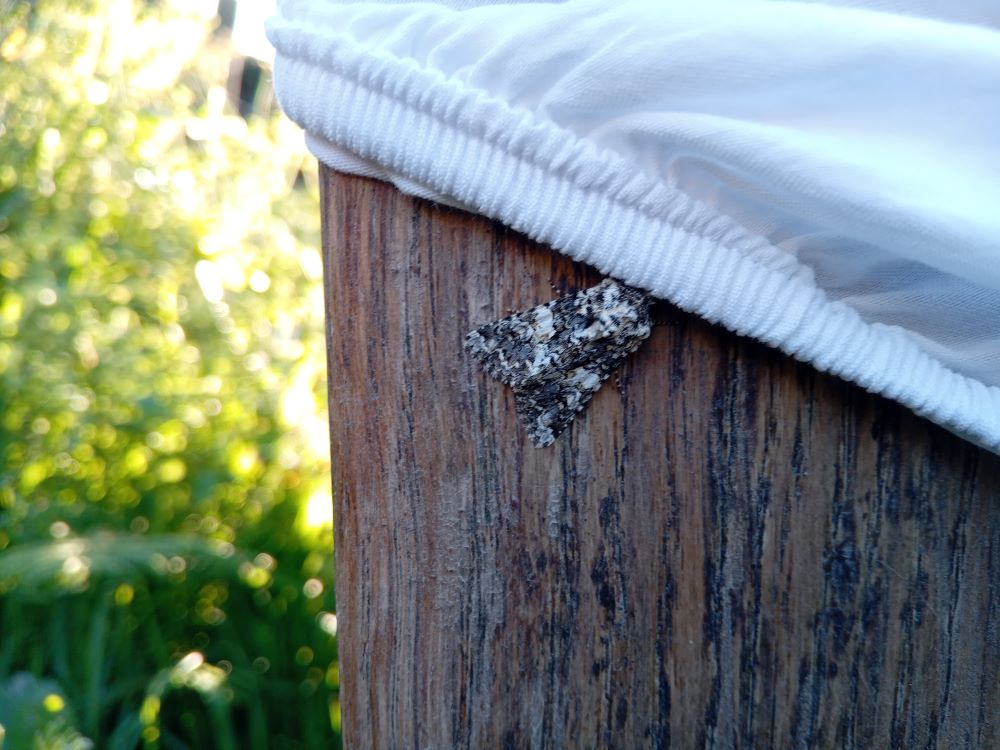 Marbled Coronet in Millcombe Trap Thomas Weston
The bird ringing session was slow, two birds in two hours was not ideal, and we decided to pack up around 8am with just a single Willow Warbler and Sedge Warbler ringed and processed. There was some more excitement in the moth trap with Pale Tussock (new for the year and Tara’s highlight of the day), May Highflyer, Bright-line Brown-eye, Marbled Coronet, Angle Shades, and Agonopterix yeatiana bring some colour and diversity on what was quite a cold night before.
I undertook census and recorded a lot of breeding evidence around the area. This included birds singing on territories such as the Whitethroats, Dunnocks, Robins, Chaffinches, Song Thrush, Blackbirds, Willow Warblers, Chiffchaffs, Wrens, and Skylarks. There were birds in suitable breeding areas including our Meadow Pipits, Oystercatchers, Shags, Linnets, Goldfinches, and Razorbills. There was one species with chicks or in this case ducklings – the Mallard and one species with fledged young, the Ravens. I also recorded the ones ‘just passing’ including our Manx Sherwaters, Kittiwakes, Gannets and a small, but obvious, passage of 6 Sedge Warbler and a single Spotted Flycatcher. In addition, our long staying, almost got the full ring number, returning Channel Wagtail male from two years ago was on show and acting ‘suspect’. We presume he has paired up with his Channel Wagtail sister and they are trying to nest again together for the second year running! She has been seen, but not ring read either so our team will try our best to read the rings soon!
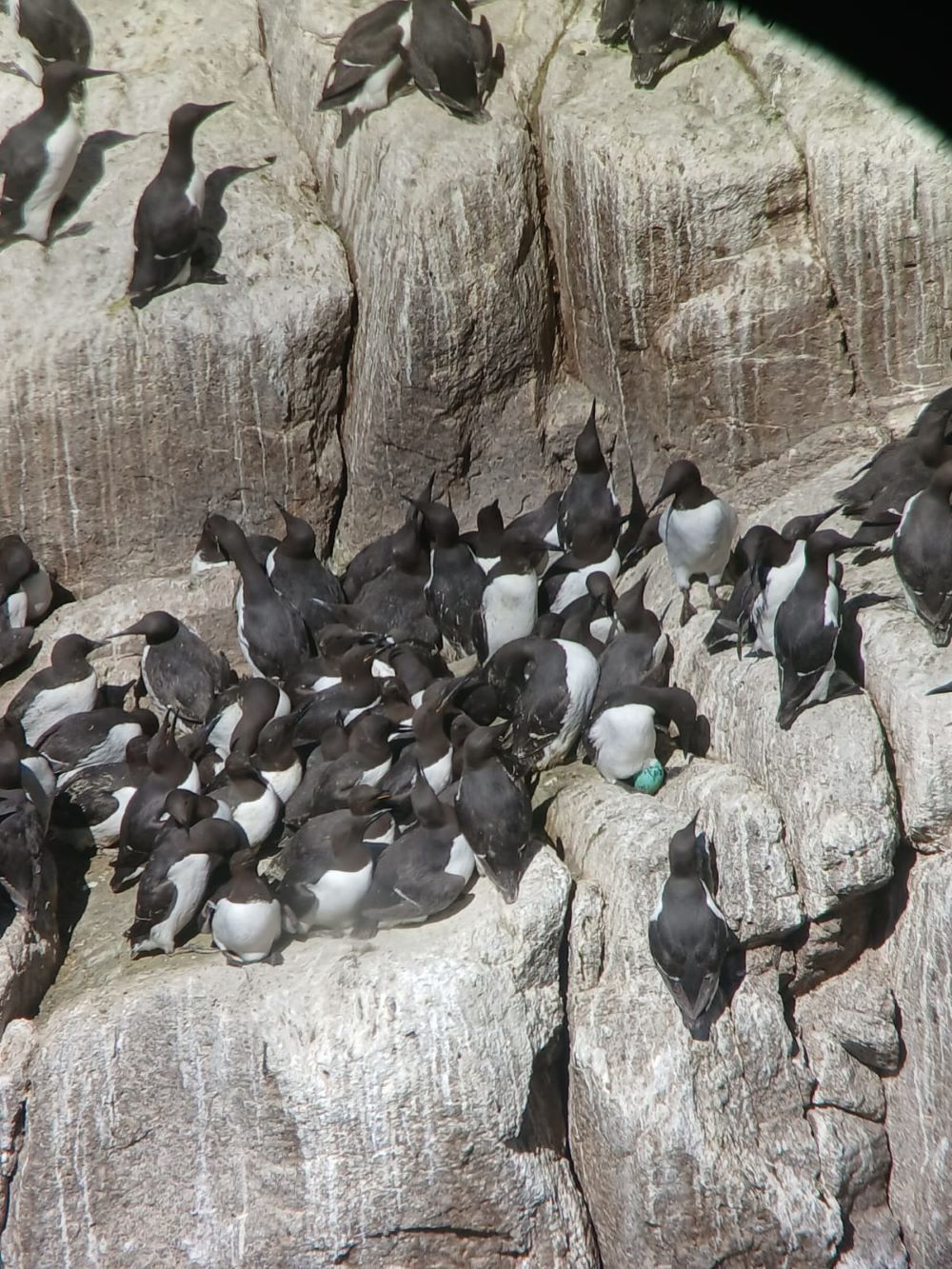 Guillemot egg at the Productivity Site by Emma Abel.
Whilst undertaking census, Bird Obs volunteer assistant warden Greg was on Housekeeping so spent the day going around the properties and making sure they were in tiptop condition. One of the highlights from the day included an abundance of hirundines around the Castle accommodation involving a nice mix of Swallows and House Martins. Before Eleanor’s Tavern Shift, a wander around Millcombe was successful and a charm of Goldfinches in Secret Garden was a nice highlight of the day. Educating the day visitors is always important! Seabird volunteer Emma undertook her seabird productivity surveys after mothing earlier, before undertaking the Seabird Station at Jenny’s Cove. Her personal highlight was seeing the first Guillemot egg of the season on the productivity plot, as well as talking to a range of people all about the amazing seabirds on the island. Bird Obs volunteer Maddie spent some time at the Battery, and saw an impressive 100+ Kittiwakes in two or three big feeding frenzies.
11/05/2026 – Time for some Northerly
By Simon Parker
It's been a while since I posted out some ramblings on here, so it's about time for some updates..
The Island is now in full season mode with three boats arriving a week when the weather behaves, which it hasn't really been doing. This week, the wind switched to a Northerly, bringing the familiar icy warmth that I remember from growing up in't North. It was still fairly peaceful, especially in the landing bay, but there wasn't a lot going on in the bird world. A steady trickle of Swallow were meandering North and some of the Milcombe regulars were out including Willow Warbler, Chiffchaff, Robin, Dunnock and Wren. The landing bay itself was eerily quiet aside from a lone Gannet and a handful of Herring Gull.
A group of Sand Martin were cruising around Benjamins chair above a light scattering of Razorbill, the Northerly wind suddenly made itself felt when I headed up past the old lighthouse, a large group of Herring Gull were crouched in behind the wall sensibly keeping their heads down.
Census finished with a fairly solid count on the Linnet, Skylark and Meadow Pipit, these birds being a significant part of our breeding bird survey. Obvious nesting pairs are now in place across the island and recording that is a significant job. The upside is, we will get some ideas on the health of the local populations and be able to plan our land management around improving areas that suit particular birds.
After Census, I settled into an admin day. Lots of planning for some upcoming media work, stay tuned for that... And some essential inbox T.L.C. Greg managed to get out in the afternoon and spotted yet another Golden Oriole, it's been a good year for these bird so far and they are now an established yearly visitor.
After work, it was a case of heading up the island to keep my training going for the looming Island half marathon in June. The sun was shining by now and the views were pretty spectacular across the North, It definitely didn't feel like May though. 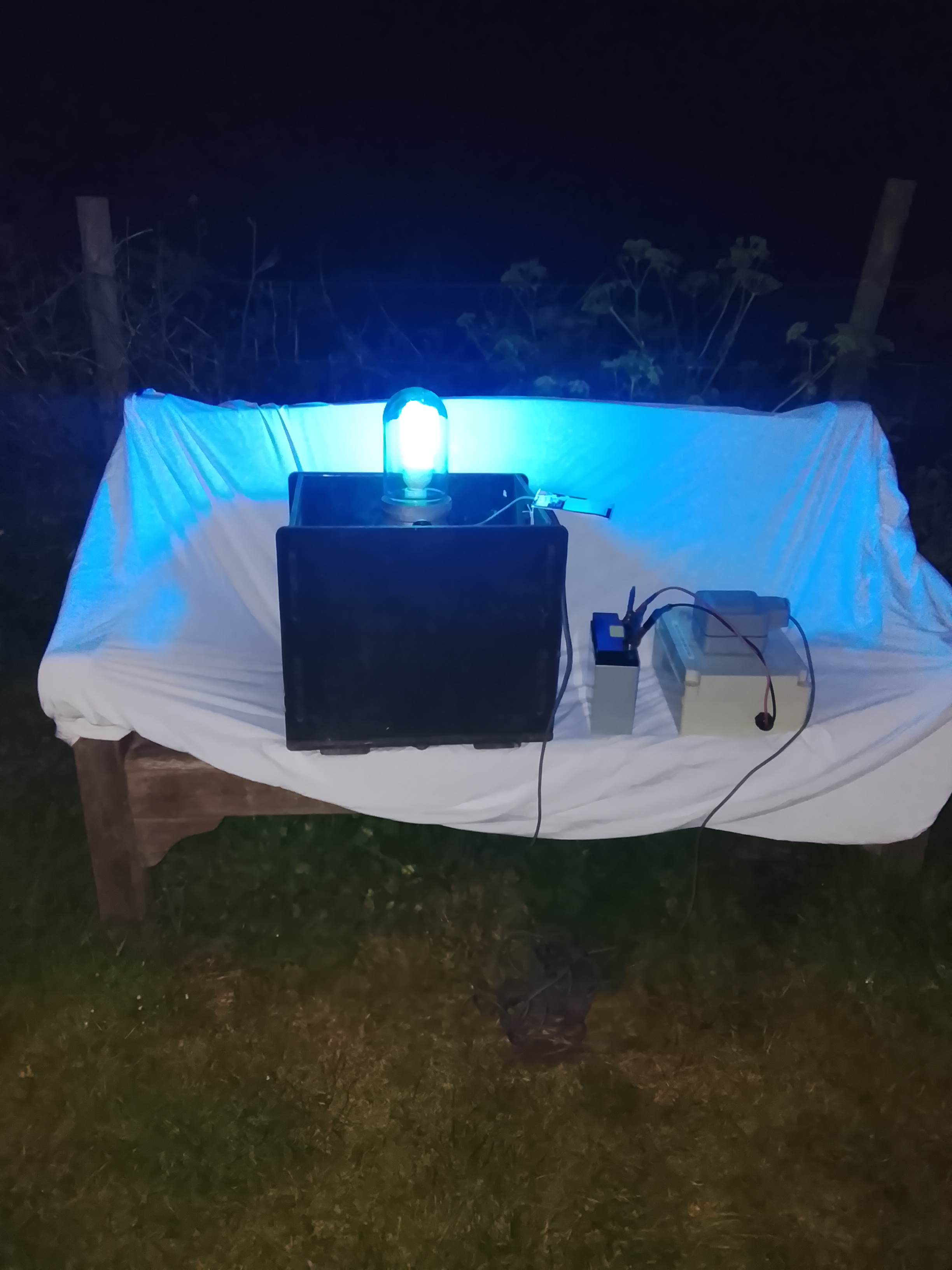
All of that excitement came to an end with the return of the moth trap in Millcombe, moths will be on tour again soon but Millcombe remains a solid site for catching some nocturnal nectar thieves. Check out tomorrows blog for the moth news!
10/05/2026 – Waders and Shearwaters
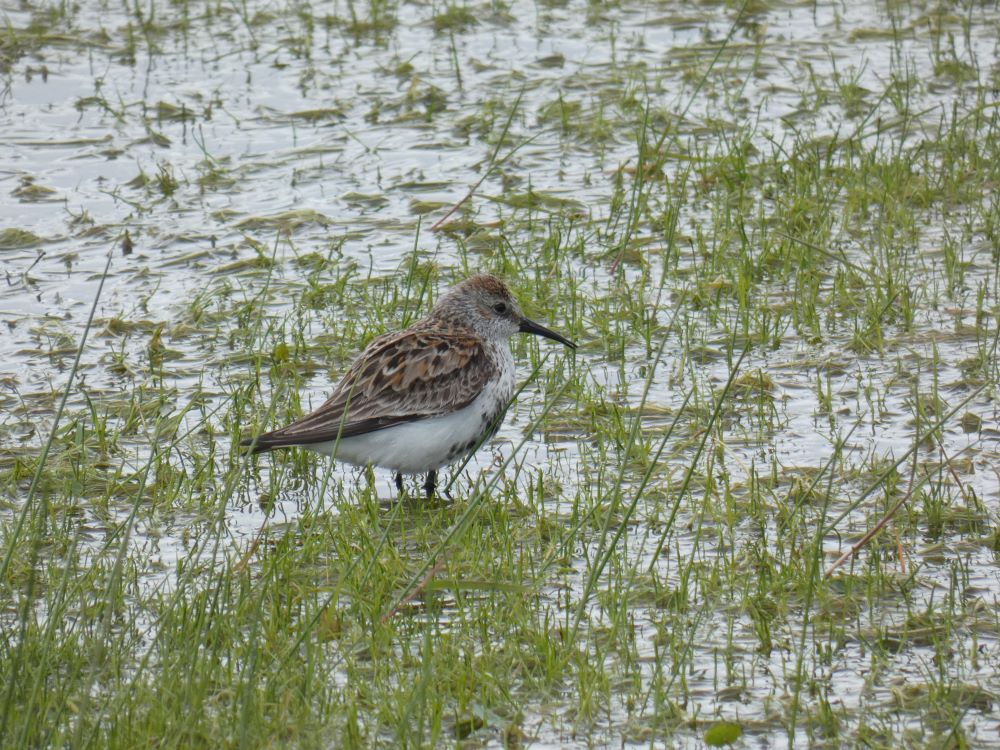 Dunlin at Rocket Pole Pond by Thomas Weston
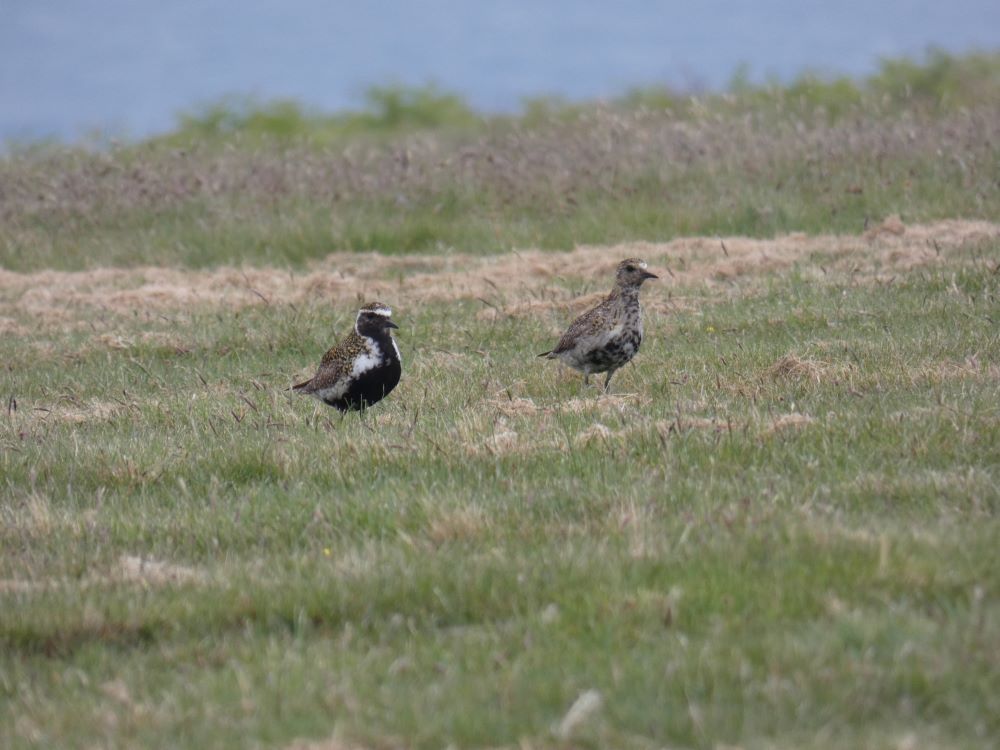 Golden Plover on the Airfield by Thomas Weston
09/05/2026 – A Weather Shift
By Eleanor Harris
After the last few days of still, sunny and warm weather today really felt like a change. Today was a travel day but due to the Easterlies predicted day-trippers were cancelled meaning that it became another odd day. The layers came out for census with wind picking up from the East blowing strongly through Millcombe. Birds were around but sheltering in the trees and bushes with little in the Landing Bay. Some of the highlights from Millcombe were flocks of Goldfinches fighting with the persistent wind and a few Whitethroats and rather suspicious Blackbirds along the way. It is crazy to think that for the last week it has been relatively calm and still but today it all changed with a cold breeze sweeping the island.
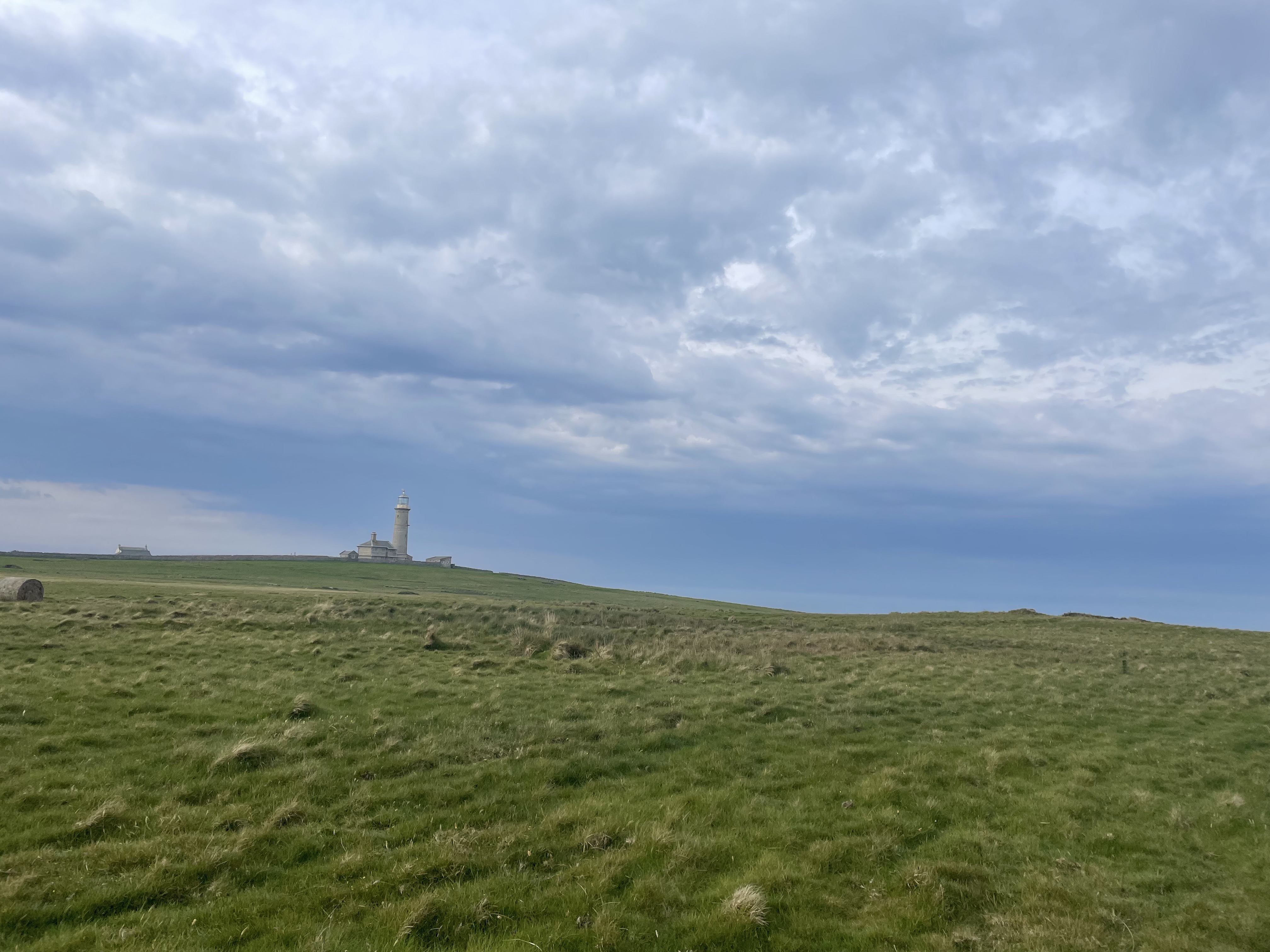 Lighthouse View EH
Continuing census I bumped into the new Dexter Cows behind Stonycroft who looked rather grumpy and shy settling into their new home. They will be joining the other three to help with land management and grazing schemes. Walking along the airfield flocks of Linnets, Skylarks and Meadow Pipits battled the elements whilst I got slightly sideways blown which is always fun. Overall, it was a nice steady census with a range of different species.
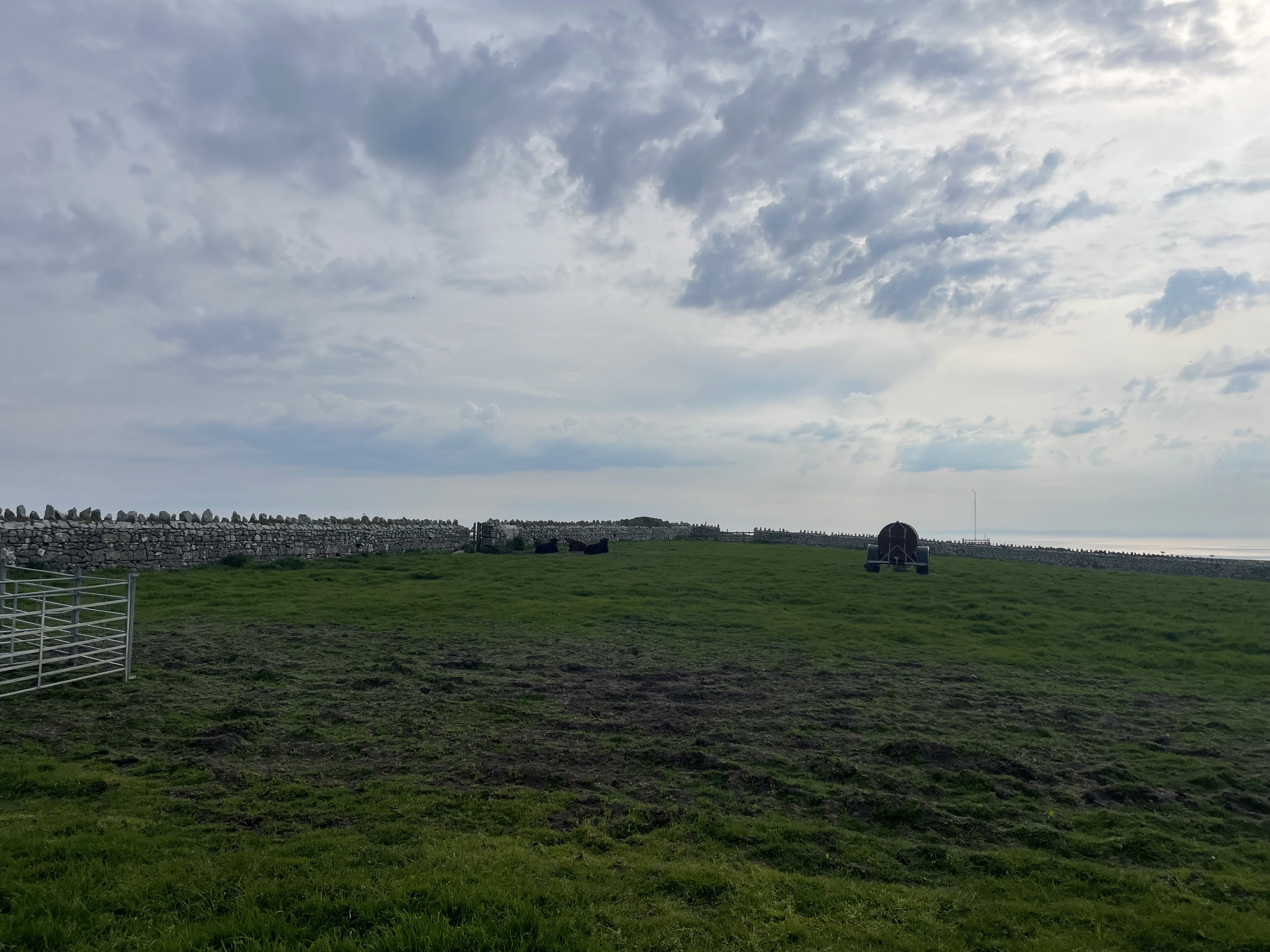 Dexter Cows EH
Heading back to the Village I got ready for work ahead of a day in the Tavern.
As it was a travel day everyone was rather busy with the Tavern, Housekeeping, Ship and other tasks so our visitors became important eyes and ears for the day. Some of the highlights found were the first Common Terns of the year, Cuckoo in Millcombe, Swifts and a female Pied Flycatcher. It is great to hear your sighting and add then to the records so keep them coming!