


Bird Sightings
30/04/2026 – A flurry of year-ticks
By Greg Lee
Census today with the easterly breeze still being quite strong but since it has been so conducive for birds over the past week, there was no hesitation to get out. Census itself was a little quiet for the majority, although the Herring Gull flock was the highest I had seen for a while with c.210 birds feeding on the fields. The highlight came late on though with a female Whinchat hanging around the soil pile in Tillage Field, the first for the year of this somewhat scarce spring migrant to Lundy. Feeling somewhat pleased, I then went back to the office to finish off the rarity forms that we had collected over the past week, hearing a couple of Dunlins as they flew over the Tavern.
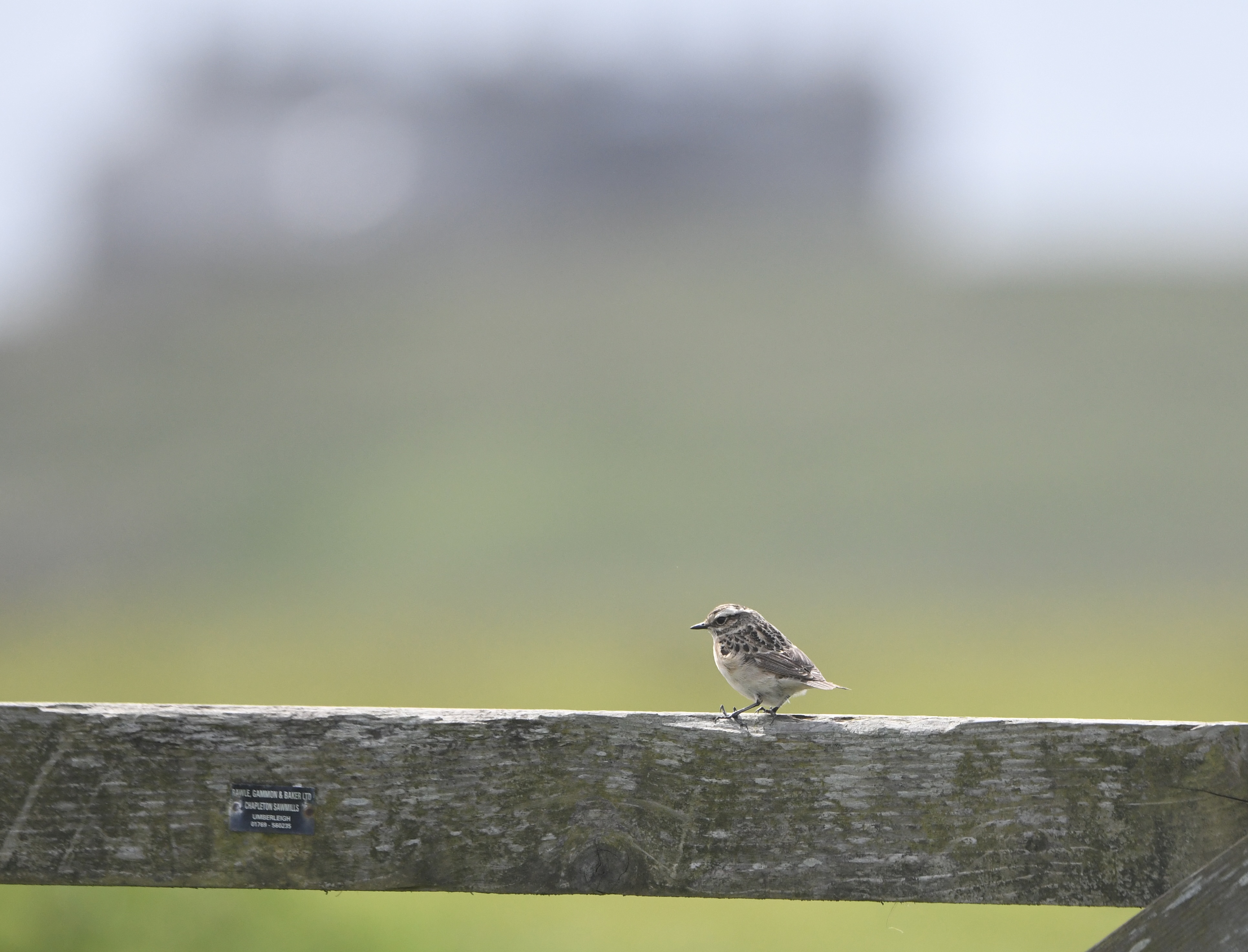 Whinchat by G. Lee
Later on, I decided to take advantage of the day and took to birding, being joined by Emma, on a route around the Lower East Path. As we arrived at Millcombe, a Lesser Whitethroat feeding in the Bramble scrub was a nice sight, with the bird showing well. Elsewhere, Willow Warbler, Whitethroat and Dunnock in song gave good learning opportunities to Emma, who picked it up well as we walked on. Although it threatened to rain, there was a strange mugginess to the air as the day grew on. A second Lesser Whitethroat was also loitering in the Secret Garden, another good bird for the day. After a trip to the Terrace, heading back along the Village we had a Yellow Wagtail near the Lambing Shed followed by the bizarre sight of now four Collared Doves loitering on the roof of Barton Cottages, with a total of six being recorded today. Also notable was a good number of butterflies, with Red Admirals seemingly flying everywhere along with intermittent sightings of Painted Ladies.
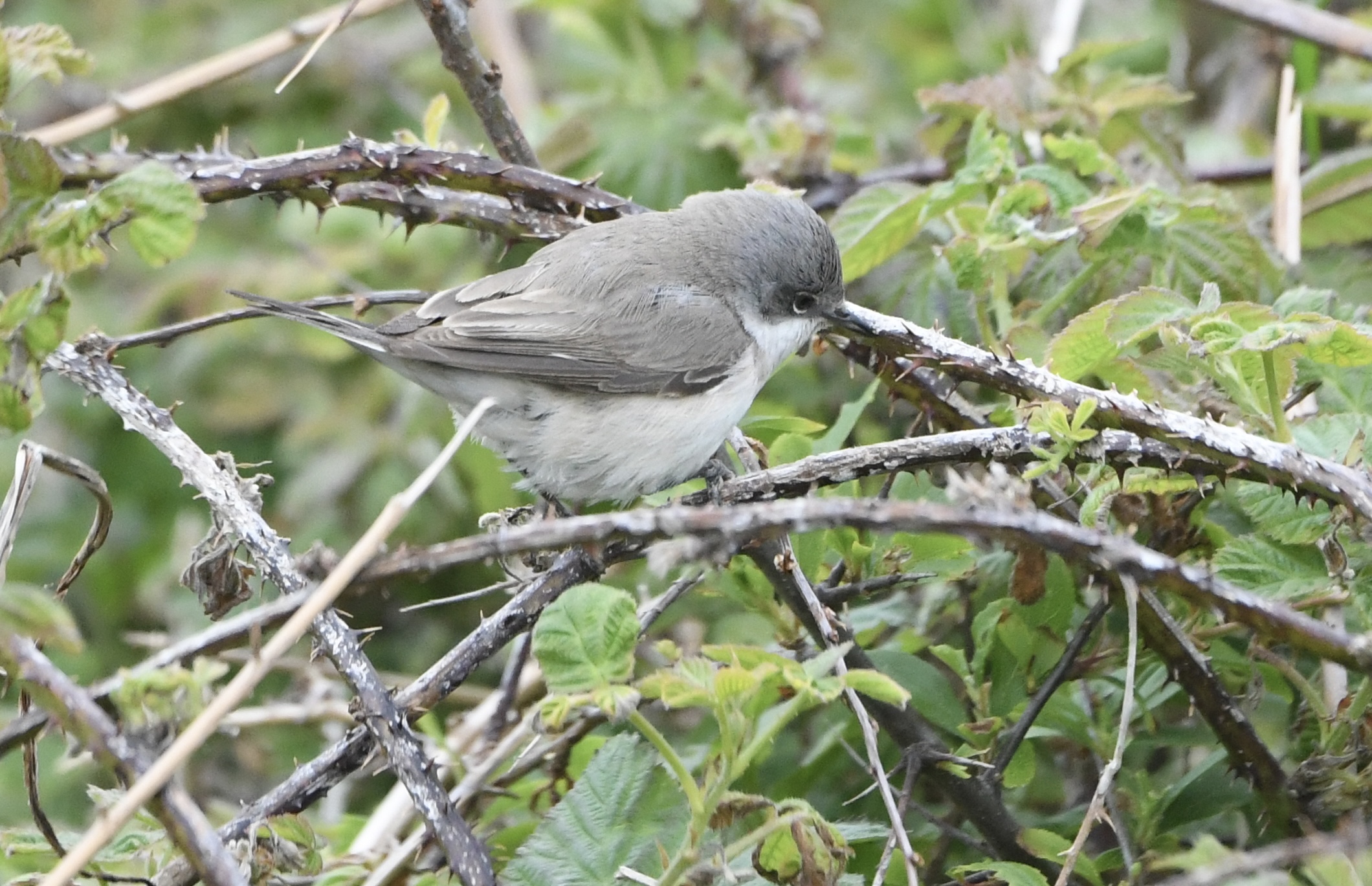 Lesser Whitethroat by G. Lee
However, surprises can happen anytime on Lundy and today certainly provided one when a group of birdwatchers discovered a Western Bonelli's Warbler feeding in Millcombe Pines early evening! Despite showing well and thankfully calling, it was all too brief and the bird disappeared and couldn't be relocated, although a Spotted Flycatcher in Millcombe was appreciated. Additionally, a Hobby spotted flying along the West Coast was another year-tick for the island and a good record of this migratory falcon.
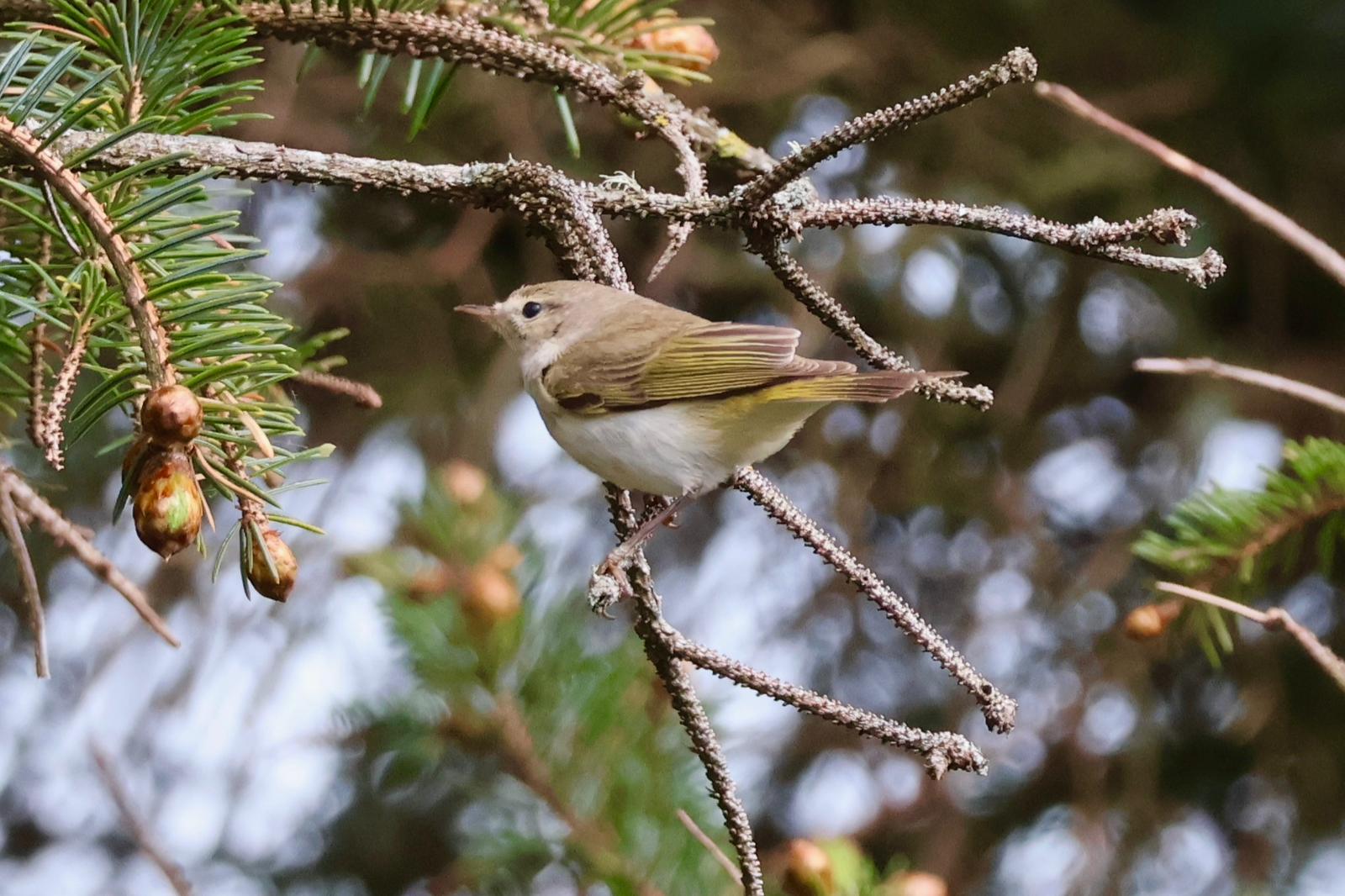 Western Bonelli's Warbler © Ashley Saunders
29/04/2026 – Cold and windy
By Thomas Weston
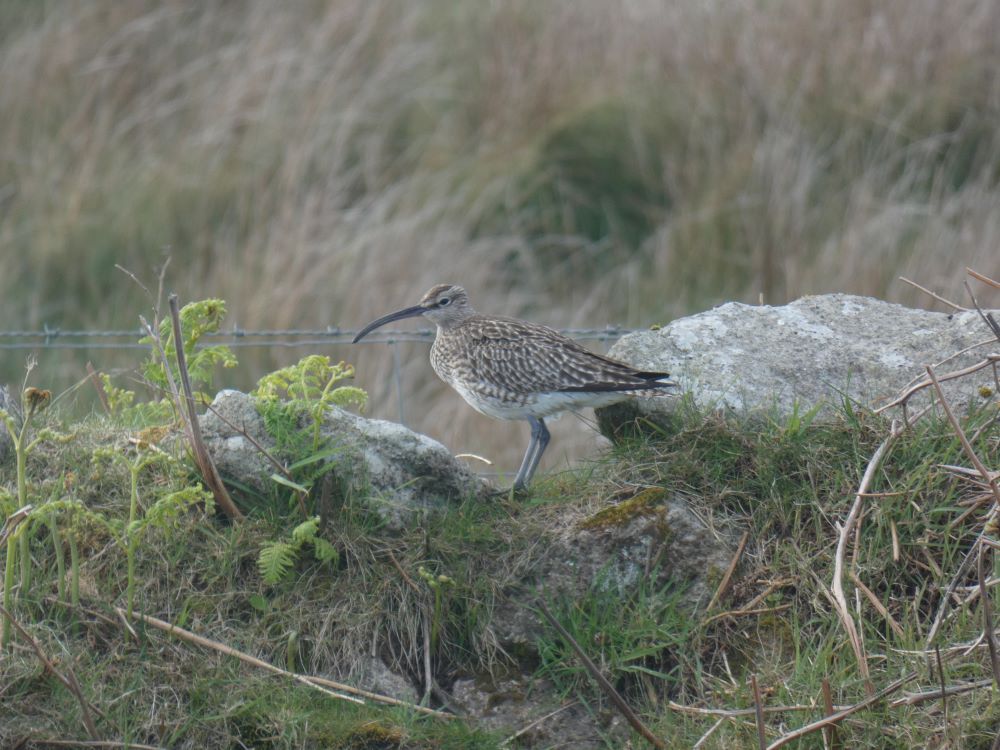 Whimbrel at Quarter Wall © Thomas Weston
The day started cool and breezy, with a brisk north-easterly coming across the island again. Eleanor and I decided to do census, and we started walking into Millcombe. The wind was strong and many of our residents were under-recorded for sure. The local Linnets were the showiest on census, whereas our Goldfinch flocks hid, trying to keep out the wind. Our Chaffinches have started nesting, and it is great to see them attempting to nest in the valley. Swallows darted past, but only a few today, although passage did however pick up as the day went on and about one hundred were seen by visitors. Heading out of the valley, 2 Willow Warblers were heard singing, and a single Blackbird emerged from the undergrowth. Walking to Benjamin’s Chair, the wind direction made for some choppy seas, though our Razorbills and Guillemots were still bobbing around and visiting their nesting ledges whilst Shag, Fulmar and Gannets passed. The three pairs of Raven were spotted across the route, the youngsters today remaining hidden out of the wind. Herring, Lesser Black-backed and Great Black-backed Gulls were recorded throughout census, with the former totalling over 170 birds. The migration ‘line’ across the island led to an alba wagtail, a Ringed Plover who flew low North over Stoneycroft accommodation, and 2 Swifts following behind. A couple of House Martins were the last ‘visible migration’ birds seen heading north past Old Light, whilst in the bushes a single Spotted Flycatcher flew to the nearby wall and hid, sheltering. The Airfield was very blustery, though our Skylarks were still in full voice. A Whimbrel at Quarter Wall Gate hid amongst the sedges, though was seen walking along Quarter Wall at one point! Not liking the male Kestrel who managed to catch a Meadow Pipit in mid-air over Brick Field.
Arriving back into the Village and the afternoon was spent completing some Bird Observatory admin, inputting the recent ringing activities and making sure all our rare bird forms of Devon and the UK were written out, ready for submission.
A weak area of low pressure coming up from France led to some dark, cloudy skies despite the full moon. We gave a half an hour talk to a birding group on the island and the team took them out to the cliffs to show them Manx Shearwaters in the hand. We ended up catching five in total, including three new, one ringed at a previous session this year and one ringed in 2024, though this will be confirmed when we input the next batch of ringing records.
28/04/2026 – An Easterly Storm
By Thomas Weston
With high pressure pushing northwards, the easterly winds increased again, and a breezy day was had. The rarities of the past couple of days have moved on and the migrants petered out too. My first job of the day was to catch one of the feral farmland geese who manged to get something around its neck, but within a short time it was removed and the goose happy again.
Census was nice to complete. There was a nice range of species and lots of signs of breeding, especially with our Linnets who are actively building nests wherever possible. The male Collared Dove continues to try and woo its new partner, but no sign of her today, perhaps she has moved onwards on their fun migration? Chiffchaffs were singing and showing in spots, a couple in Millcombe and a singer at Rocket Pole Pond was the best of the rest. Wrens were in full voice today and a nice spread of singers were recorded throughout the census area. Blackcap numbers have dramatically decreased with just 4 around the Millcombe area. Reports from elsewhere show a couple here and there, plus a Garden Warbler in Quarter Wall Copse. The Blackbirds, Dunnocks, Robins and Meadow Pipits were all rather quiet, though secretly getting on with their breeding and nesting. A Whitethroat singing around St John’s was by far the best migrant warbler seen there, in fact the only one.
The windy Landing Bay held no more than a couple of Oystercatchers, single Great Black Backed Gull, a single Shag, Guillemots, Gannets, single Kittiwake, and a few Razorbills. A Peregrine stood watching the birds as they passed but did not make a move on any of them today. A few brave Swallows were seen arriving from the mainland which hinted at some movement taking place during census this morning. Likewise, a small flurry of passing Wheatears were nice, with breeding birds nest building today too.
Skylarks were in full voice today too, with birds singing in four main areas and up to 12 individuals noted. A couple of alba wagtails flew over this morning as they arrived in off the sea. A Gannet from Old Light was the only one of the morning. Walking across to Quarter Wall, a Water Rail began singing around the pond. A pair of Stonechat sat on their favourite bushes, whilst a Pied Wagtail fed in the field. Walking through the Village saw a male Channel Wagtail feeding with the horses in Barton Field.
The Tavern called….
A Dotterel was the best of the rest, heard flying high over Millcombe by visiting birders! Amazing. Also of note during the day, were the first Reed Bunting since early January (a female at Stoneycroft) and a female Greenfinch in upper Millcombe.
27/04/2026 – Seabirds and sunshine
By Emma Abel
Today was a glorious day on Lundy.
Last night we set out the moth trap as the night was due to be warm and cloudy – ideal conditions for trapping. We had 21 moths of 6 species, the most abundant species being Brown Silver-line, of which we trapped 9. There were also 4 Bright-Line Brown-Eye, 3 Marbled Coronet, 3 Common Quaker and 1 Garden Carpet. Finally, our largest moth of the day was the Brindled Ochre, a chunky moth suited to coastal habitat, with an amicable face.
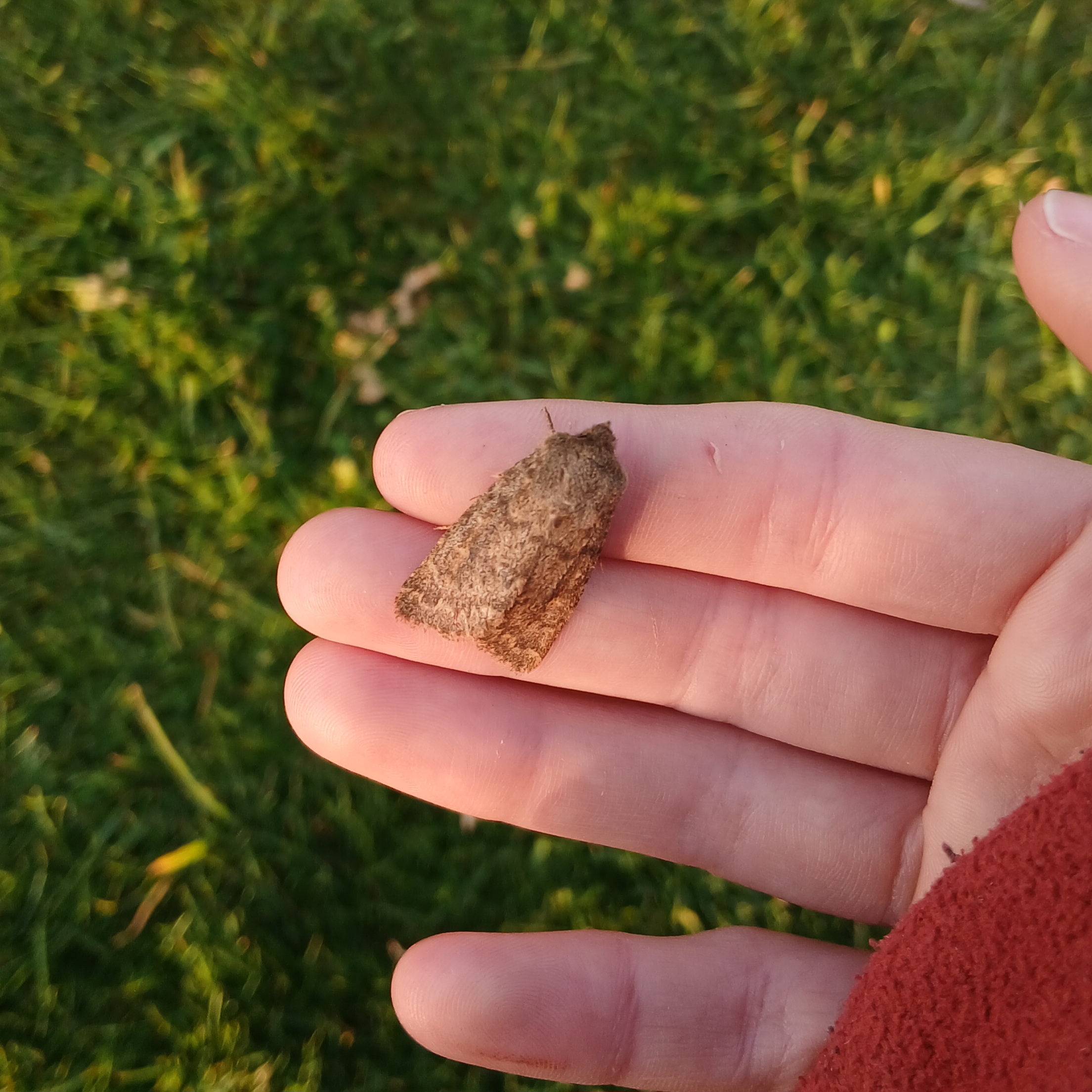 Brindled Ochre by Emma Abel
As it was such beautiful morning, the mist nets were also set up for a bird ringing session, where a good mixture of species were recorded and ringed. One bird stood out the most, which was a Nightingale caught in the laundry garden by PHD students working on the Sparrow project. It was aged as an adult and based on several plumage features, it was confirmed to be a different individual to the one seen yesterday at Quarter Wall. Additionally 5 Sedge Warblers, 2 Blackcaps, 1 Whitethroat, 1 Linnet, 1 Goldfinch, 1 Chiffchaff and 3 Willow Warblers were ringed and 1 Dunnock re-trap.
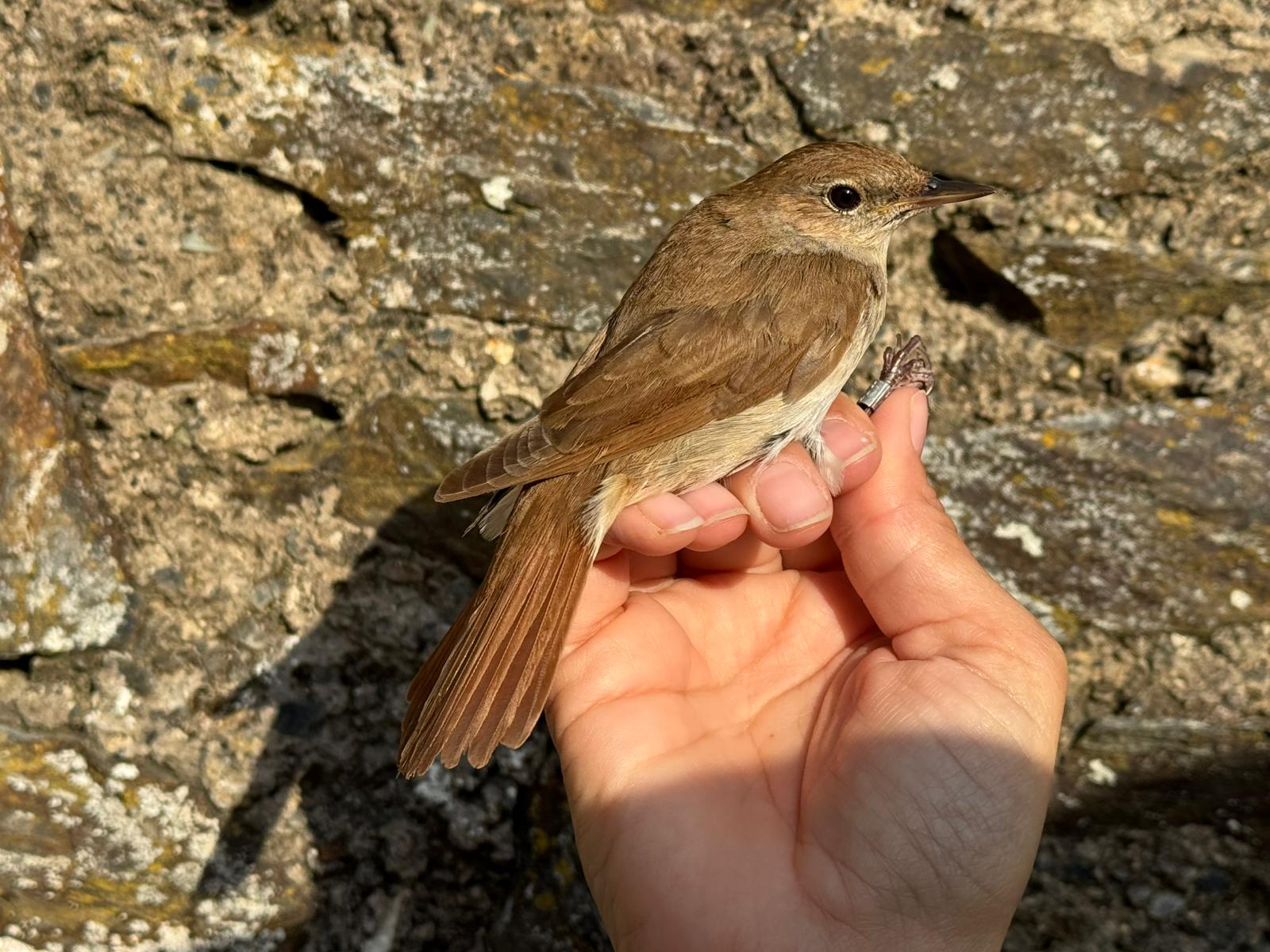 Nightingale
I left the ringers to go to Jenny’s Cove to carry out my Puffin monitoring. The cliffs were much fuller today, which is a relieving sight after last week’s empty shelves during the strong easterly winds. There were 83 puffins on the slopes going in and out of burrows, billing with their partners or just sunning themselves in the morning rays. These are still low numbers for the Jenny’s Cove Colony, and we do hope to see the population increase. The light brown Leucistic Puffin was back on the colony today, prospecting various burrows, most of which seemed to be occupied by existing pairs that did not want company. As for Guillemots, the shelves were very full with an estimated 2000 birds packed in around the cove.
Additionally, this afternoon a female Dotterel was seen at the North End, along with a Lesser Whitethroat and a Spotted Flycatcher at the Terrace.
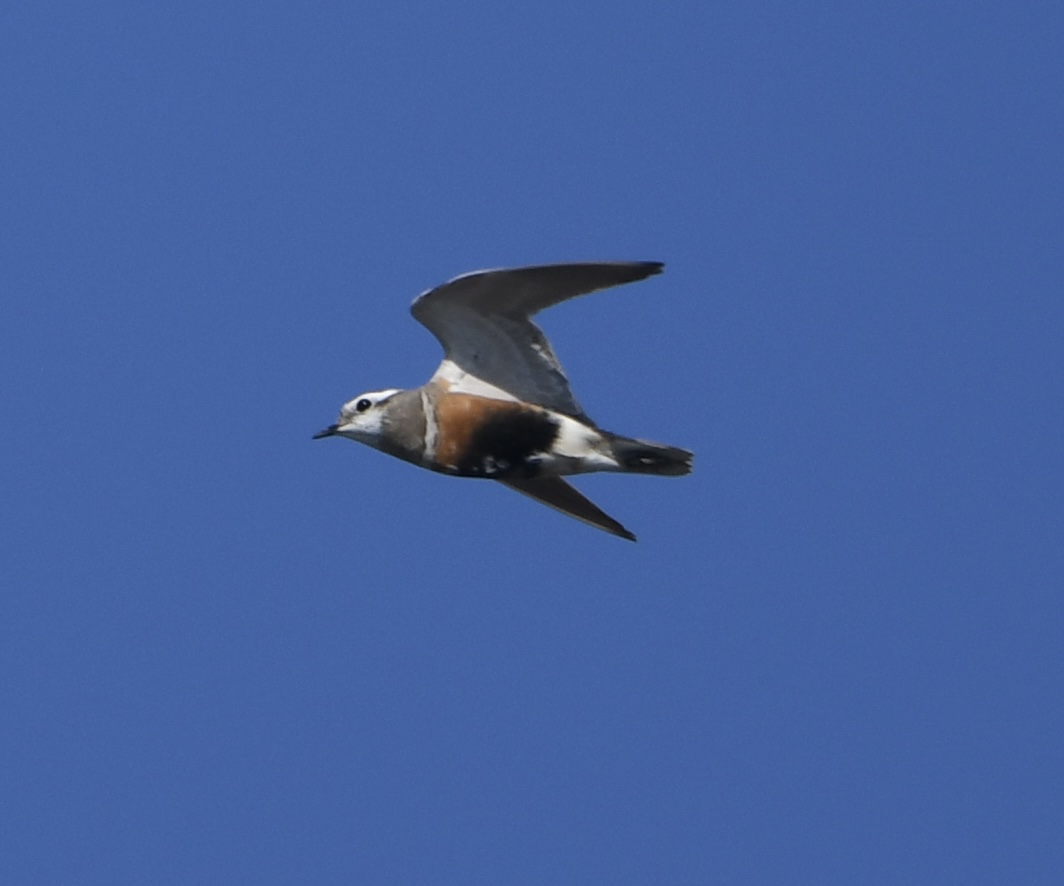 Dotterel by Greg Lee