


Bird Sightings
31/03/2026 – Migration in the Fog!
By Thomas Weston
The weather forecast featured rain and light winds from the west for most of the morning before coming out sunny and warm in the afternoon. Now, Lundy and weather can be particularly unpredictable, and it really depends on which one you end up looking at! There was quite a thick fog hanging over the island, but something felt different, a warm breeze braced the island and whilst walking down to the Boat meeting, a Willow Warbler emerged in the Laundry Garden. When there are warblers in the Village you know it will be a good migration day, but it was odd. Could they see the island? Was the mix of fog too disorientating? Did they pass overhead in the night whilst the moon was bright and heading on over whilst we slept? Predicting migration is a nightmare here and questioning it leads to many more questions!
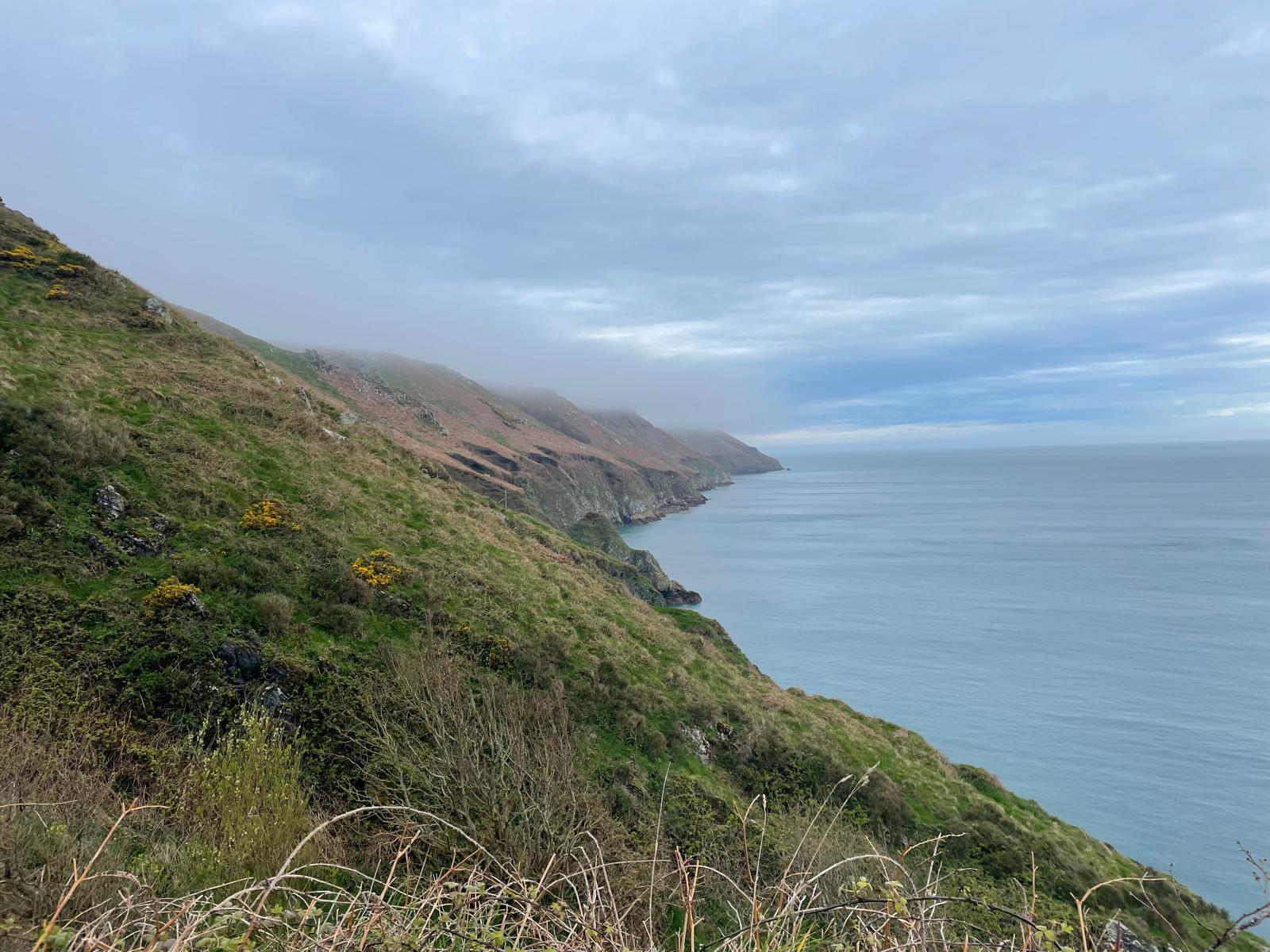 A Foggy Start by Eleanor Harris
Anyway, Eleanor was set for undertaking census today. The fog lingered throughout, though Eleanor still spotted some nice species which was very exciting! Some of the results included that Millcombe had an increase in finches with numbers of Goldfinch and Linnet up. There was a nice selection of warblers with Blackcap, Chiffchaff (one singing), Willow Warbler (one singing), and a single Goldcrest seen demonstrating a very small arrival of birds who must have seen the island as they came across. Other migrants in the Millcombe area included 2 White Wagtails flying north from Castle Hill as well as the return of the Song Thrush. Fog was a real problem past Benjamin’s Chair and the views were quite limited. There was a couple of more unusual species seen here with a Ringed Plover heard in flight having taken off from Kistvaen Pond (the one by Rocket Pole Pond) as well as a flyover Canada Goose (24th island record) heard honking as it flew past. Amazing! Fog made the rest of census difficult due to visibility and heading back to the Village to chill before Tavern was the plan.
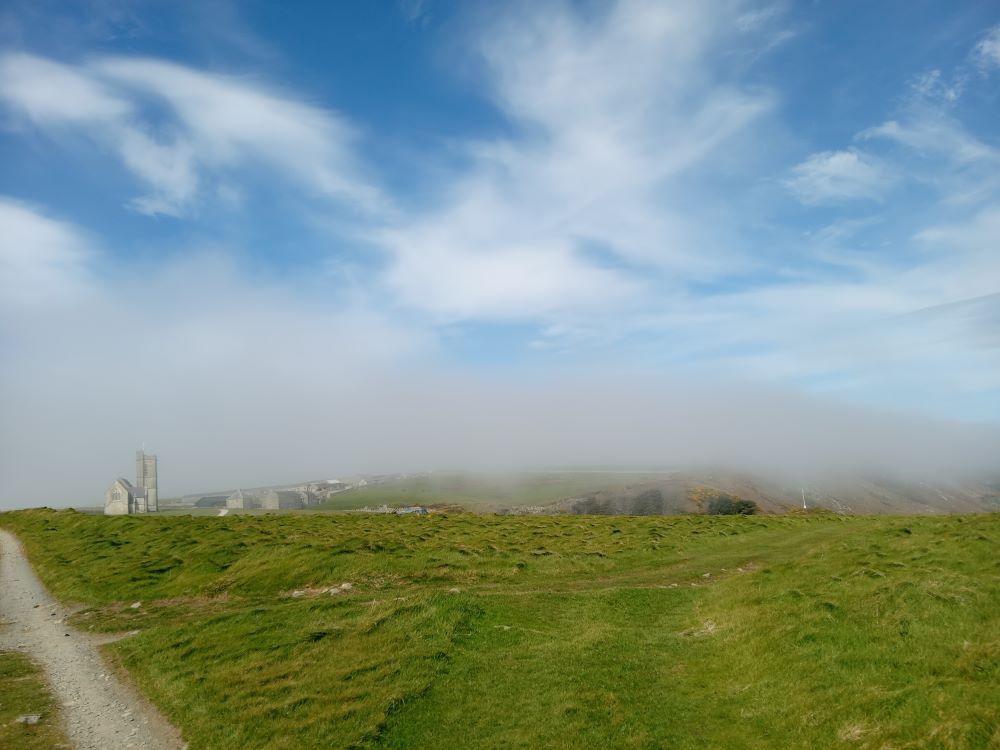 Castle Hill by Thomas Weston
Meanwhile, Greg and I undertook housekeeping, so our species were mostly seen via a moving Landrover but there were some nice bits and bobs around. Castle Hill and the south-east corner of the island was drenched in sun for most of the morning before the fog crept from the northern areas of the island and enveloped this section too. A flock of House Martins came in off the sea at The Castle plus a few Swallows and Sand Martins too. Whilst cleaning around the Millcombe area I saw a ‘Northern’ acredula type Willow Warbler, the Treecreeper calling near St John’s Valley, and spotted a Redwing coming out of the Blackthorn too! A nice selection of migrants to add to the other sightings made by birders and ringers, plus daytrippers on the island.
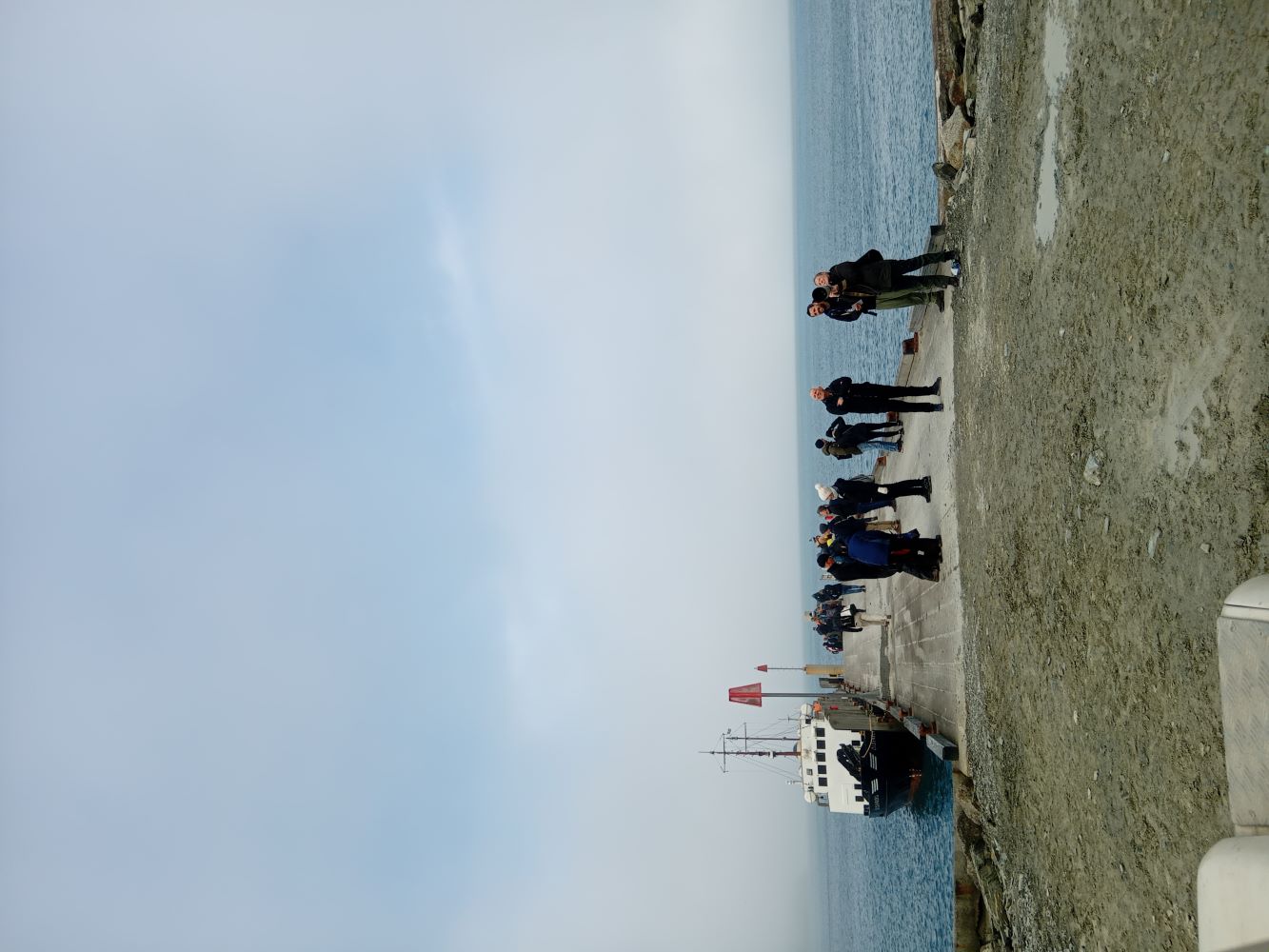 Oldenburg by Thomas Weston
Tara welcomed the first boat of the season back in and said hi to Simon who has been off island for the last few days. The first boat is always a momentous day for the island and Tara is one of the first people who helps see the boat in and makes sure everyone is okay as they arrive. Her work doesn’t only involve seeing boats in on travel days but also helping give lifts to people up the Beach Road, helping with luggage, shop stores supplies, moving logs and making sure the island is in a good condition for those staying and for those visiting too.
30/03/26 Preparing for Boat Season
By Tara McEvoy-Wilding
The first MS Oldenburg sailing has crept up on us so today was spent preparing for it! The weather was much better than yesterday, so Roger took the opportunity to strim the upper east path so it is accessible for all our summer visitors. He spotted a slowworm which was also enjoying the sunny weather and potentially waking up from hibernation! Slow worms are (supposedly*) the only reptile living on Lundy and although they look much like a snake, they are actually a legless lizard. * In 2024 a common Lizard was photographed, which was a first for the island. This year we are planning to survey the reptiles on Lundy using reptile mats which will be checked monthly. We hope that if there still is a Lizard on the island, we may come across it during these surveys, and they will also help us to track the Slow Worm population.
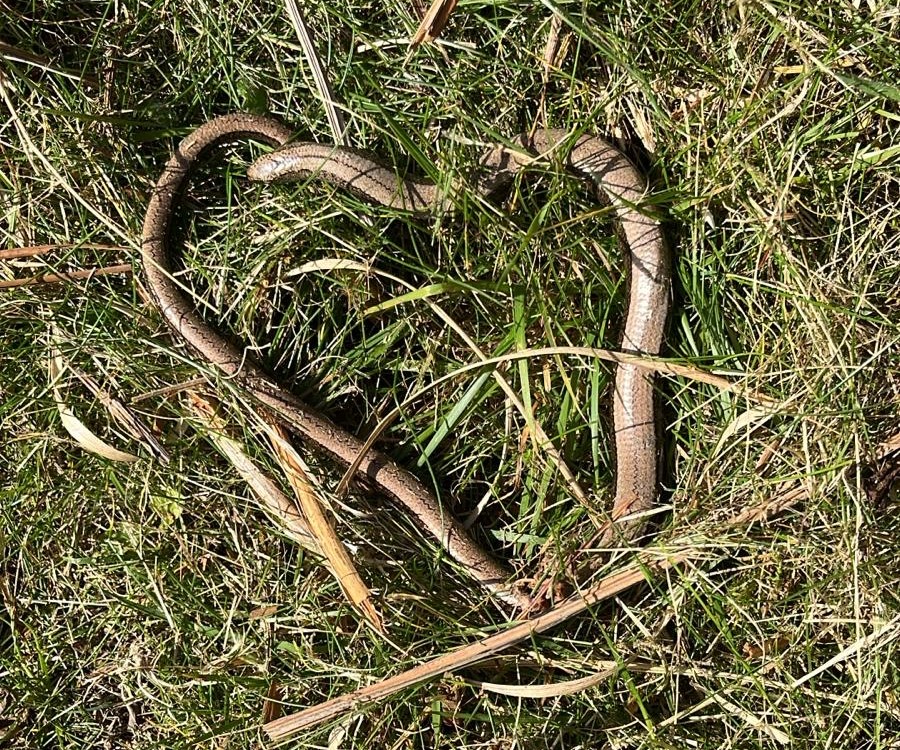 Roger's Slow Worm Sighting
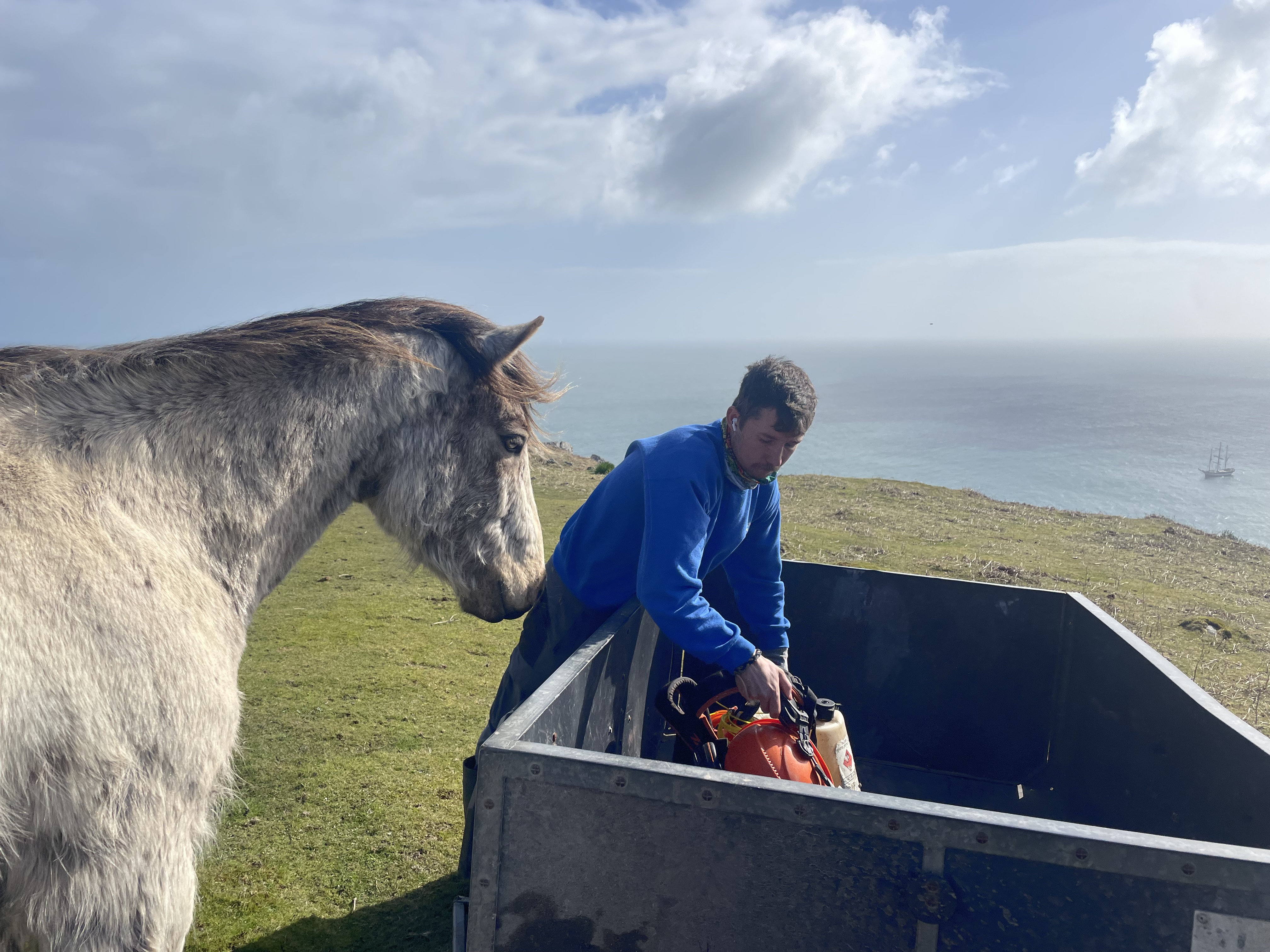 Benson wanted to help with the path strimming
After dropping Roger at the north end of the upper east path, I spent a lot of the morning touching up and re-writing signs for the Landing Bay to inform our visitors how to look after the island and keep it Bird Flu free. After lunch gave the office a quick spring clean!
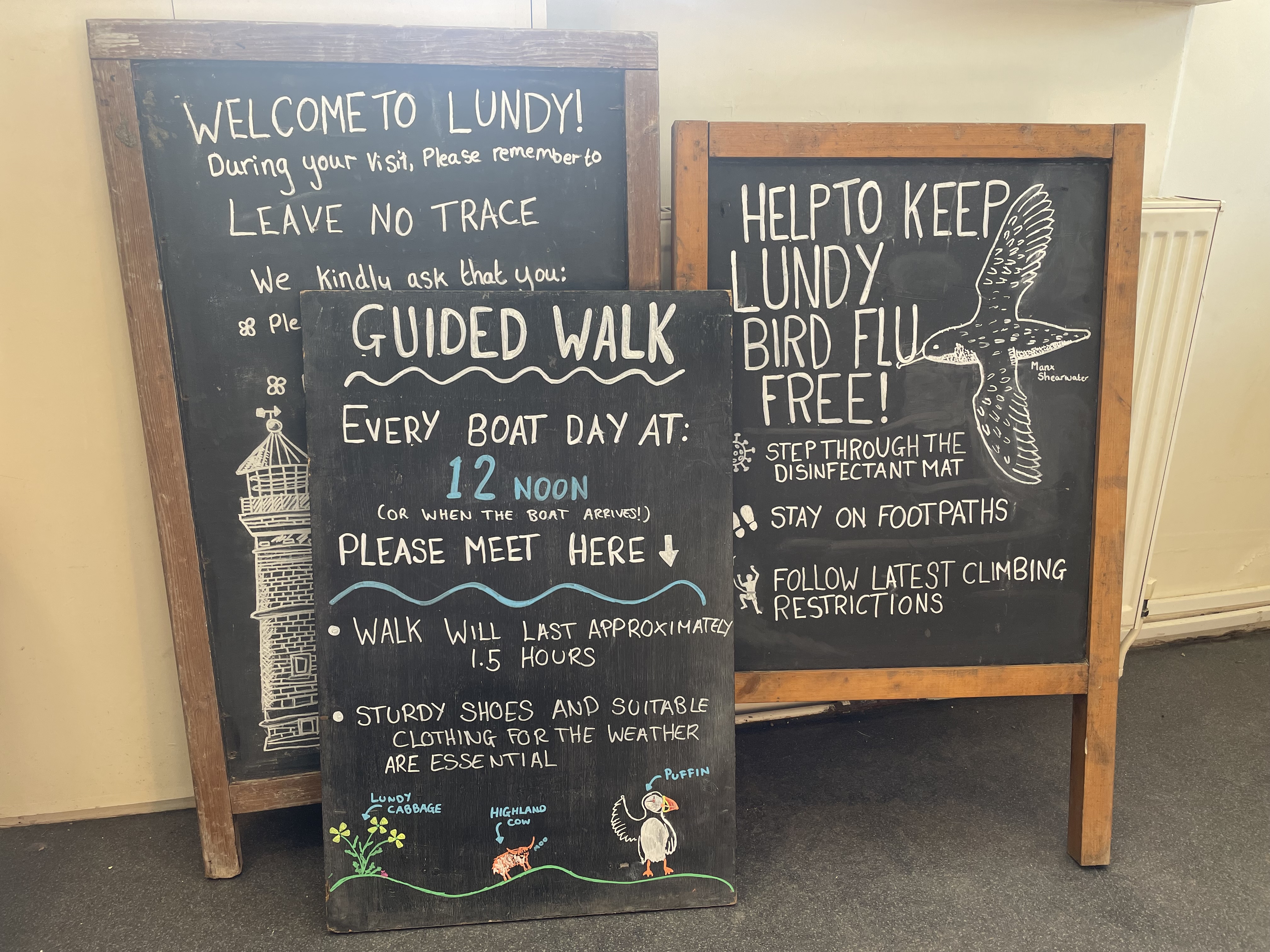 The finished signs!
The birds also enjoyed the sunny weather! The Treecreeper was singing in Millcombe and Greg spotted a small passage of Swallows heading north, Thomas and Eleanor spotted a Black-headed Gull off the east coast and a Great Northen Diver in Gannets Bay. The Common Dolphin pod were once again sighted near the Landing Bay! The forecast is looking promising for tomorrow and we are looking forward to welcoming two new volunteers to the Conservation Team who are arriving on the Oldenburg!
29/03/2026 Wet, Windy and Wild!
By Thomas Weston and Eleanor Harris
Today started relatively breezy, but gradually the wind gained in speed. It was our day off today so we thought we would get on with some painting and DIY tasks in the house before heading for a walk later. However, whilst working on our house, the weather turned and the rain was relentless and persistent, not ideal to be out. Reports from visitors and our Bird Obs Volunteer Greg noted few birds around the island. Island scarcities included Treecreeper in Millcombe, 2 Cormorants who were seen flying North, as well as the lingering White Wagtail who presumably cannot head on further North due to the weather. We made a trip to the Ugly where we had a little seawatching session. Our highlights included close Gannet, a Fulmar, and a pod of Common Dolphins who were active off Rat Island. Back in time for tea and cake before the weather closed in even more and turned to fog in the evening and visibility on the way to our 8pm Wildlife Log was less than 50m. Hopefully tomorrow is a sunnier day with better weather.
In the meantime, the Lundy Bird Observatory is providing an exciting opportunity for up to 14 Young Birders aged 18-25 to come over to the island from the 1st to 8th August 2026, staying in The Barn. Ringers, birders and moth enthusiasts are encouraged. Cost will be £300 per person, which includes boat fares and accommodation. However, with the BTO Young Bird Observatory Visitors (YBOV) programme it may be possible for participants to obtain grant of £250 towards their costs. Applications for the YBOV grants close on 31 May 2026 - more details on how to apply can be found here. Food will be an additional cost. If interested drop an email to
28/03/2026 Helicopter Saturday
By Tara McEvoy-Wilding
Due to foggy weather on Friday, the helicopter day was moved to Saturday, which altered by plans for the day as I had to do ground crew!
Because of my tie to the helicopters wildlife encounters were few and far between... but I did keep a 'luggage list' (list of bird spotted whilst collecting and delivering luggage!).
- On the way to Old Light I saw 10 Mallards, many Herring Gulls and lots of Starlings attempting to steal the sheep's breakfast
- There was a Pied Wagtail by the shop
- A Peregrine was sat on a Chimney at the Castle
- A Skylark and 2 Meadow Pipits were hanging out by Hamners
Meanwhile Simon conducted the weekly Butterfly transect, but sadly saw no butterflies. The Treecreeper remained in Millcombe throughout the day, and was spotted by Eleanor, Thomas and Greg at various times. Greg also spotted a Common Dolphin pod feeding behind Rat Island!
After the last helicopter (hopefully the last of the season!) had left and we had delivered all the luggage I did the 'Above and Below the Waves' talk in the wheelhouse, it had been very well advertised today so the room was full!
In the evening we all met up to see if we could catch and ring any Manx Shearwaters on the west coast. We walked carefully through the colony but unfortunately the moon was too bright so most of the Manxies were reluctant to come into land or to come out of their burrows due to the risk of predation. We did get a glimpse of a couple flying past us though! Because the visibilty was so good we could see all the way down to the rocks below and as the waves were breaking they were sparkling- it was the bioluminescence! This is caused by phytoplankton creating light through a chemical reaction in their tiny bodies, they typically use this for defence, so when they are spun around in a breaking wave they mistake it for something swimming along trying to eat them. Despite the lack of Manxies it was a good trip out and made a good practice run- now we just have to wait a couple of weeks for the new moon!
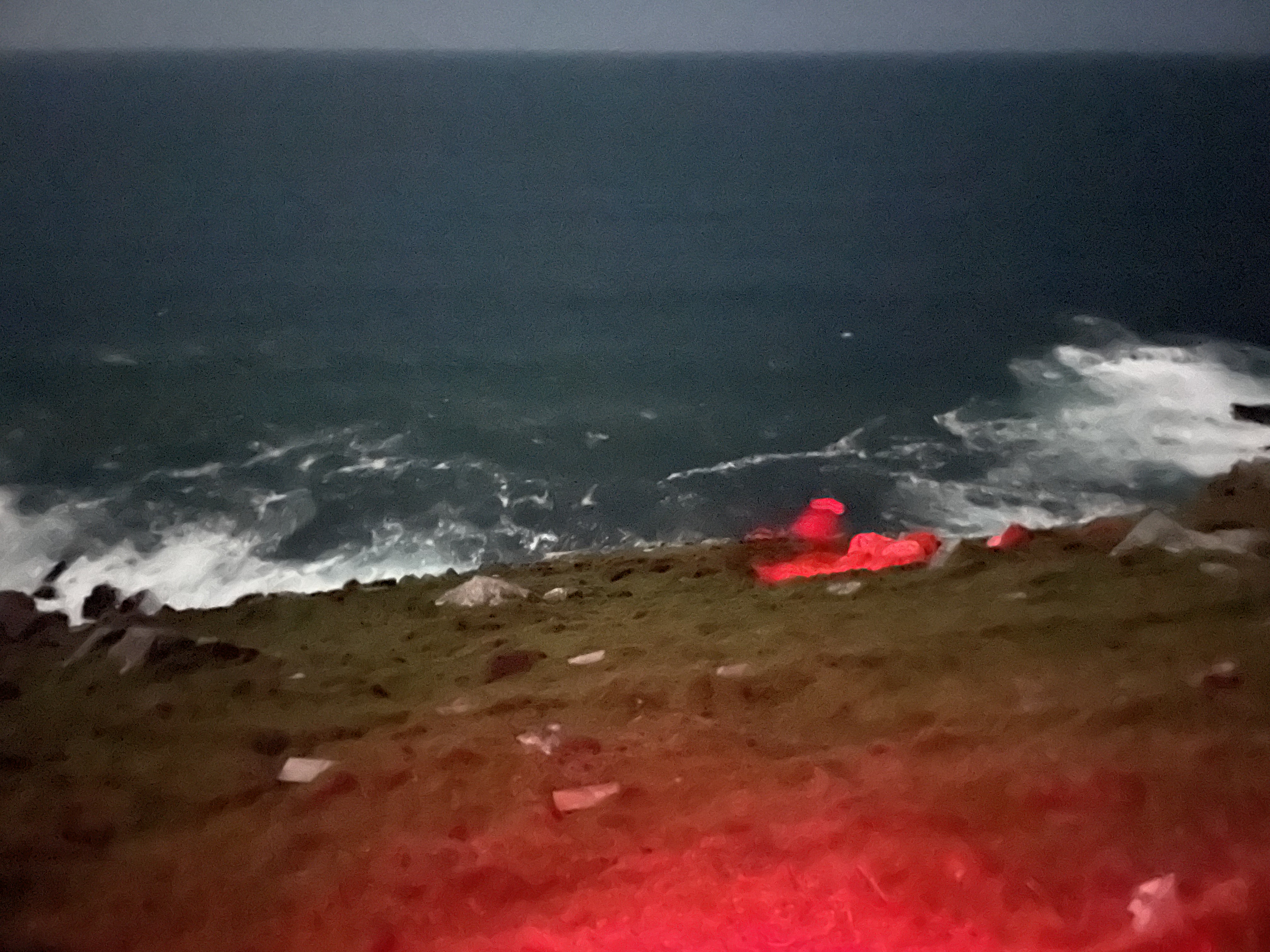 My only (not very good) photo from the day- the West Coast Slopes at Night! Red lights are used so we and the Manxies don't lose our night vision