


Bird Sightings
09/04/2026 – Morning Mothing
By Emma Abel
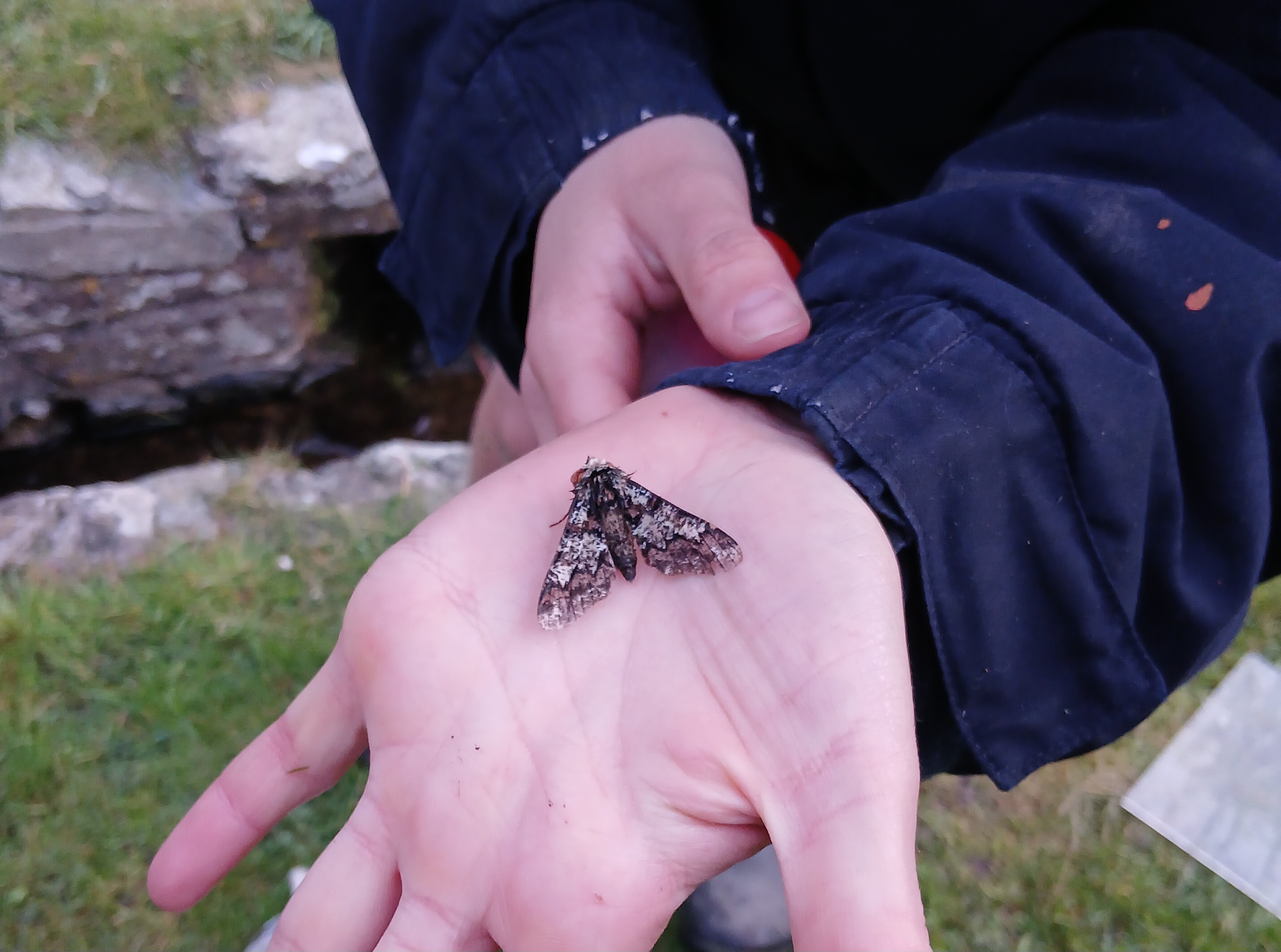 One of the catch! By Emma Abel
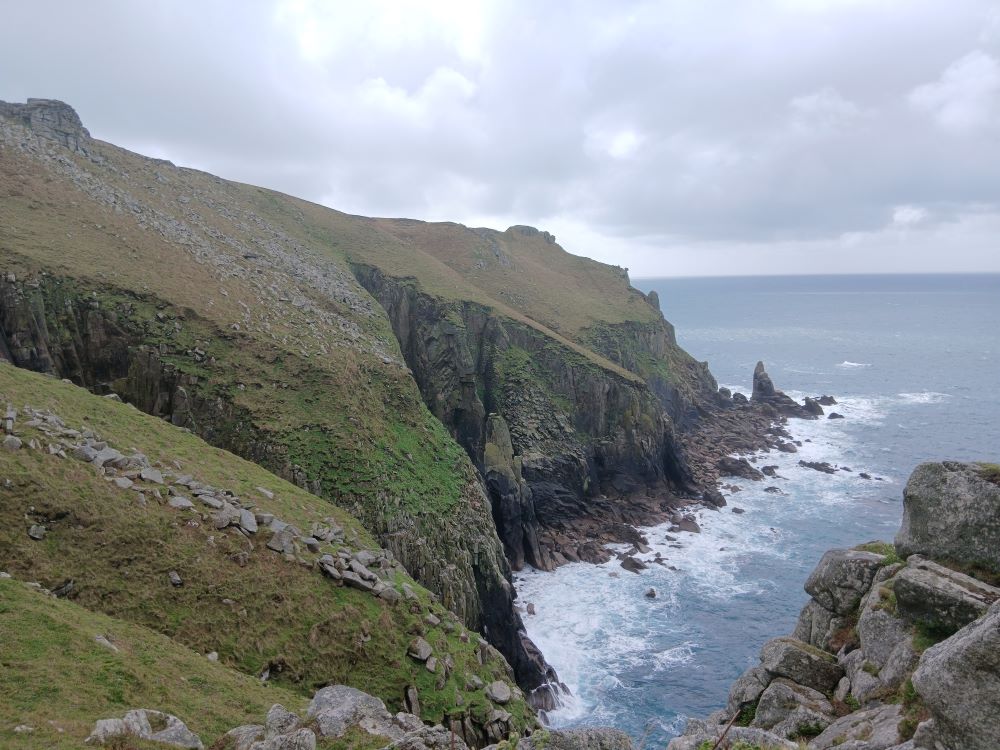 Jenny's Cove by Emma Abel
08/04/2026 – Migration!
By Thomas Weston
Today was always going to be a calm day, the high pressure was building and the signs of an amazing migration day were being shown.
I awoke at 5am, long before the generator had begun so sat with a phone torch eating breakfast whilst getting ready for the day ahead. The light was gaining and the sound of the resident Herring Gulls began to fill the air as they started to move to fields to feed. I started walking down to Millcombe around 6am, joined by our volunteer Anna who is helping with the team over the next couple of weeks.
The day was calm, tranquil and still. Unusual after the last few months but we were not complaining. We joined Greg at the bottom of Millcombe and opened the nets to undertake some ringing. It was calm, and the local Robins were first heard, plus a peep of a Chiffchaff and Willow Warbler. Within the first five minutes we had already caught 12 birds consisting of Willow Warbler, Chiffchaff and Blackcap too. The next net round was the same again and the ringing remained steady until around 8:30am. The birds calmed down a little with a couple of new Wren and Linnet ringed, which provided some new variety. The next few rounds gained in speed and the 10 o'clock rush occured with more Willow Warbler, Blackcap and Chiffchaff adding to the totals. A migrant Robin was a nice different species, and a control Chiffchaff from elsewhere was very exciting. Offshore we heard a Curlew and a Common Sandpiper and around 11:30, our first Common Whitethroat of the year hopped out of the bushes. Migrants never seemed to ease much, so I sent the volunteers off for lunch and asked for a cheeky takeaway one too. We gained the 100 birds processed by midday. And by the time they returned, another 30 birds had been ringed and processed. I closed the nets around 14:45 for a much needed break and a short walk to the Landing Bay with a Goldfinch being the last species/bird ringed this session.
Admin called but an evening mist-net session called again; we shall see if there are any more birds around. The numbers of Willow Warbler will be in triple digits and the Chiffchaff not far behind with Blackcap too. Elsewhere, the first Grasshopper Warbler, Turnstone, Whimbrel were all seen this morning, as well as a few late Snipe.
07/04/2026 – More migrants incoming
by Greg Lee
The easterly wind picked up overnight and made for quite a breezy census this morning on the island. Yesterday, we were treated to a good spectacle of migration with the change in the wind direction with many Willow Warblers, Chiffchaffs, Blackcaps and Swallows arriving well into the afternoon. So, I had hopes that a few new birds for the year would follow suit this morning. The normally sheltered Millcombe was more of a wind funnel today, with lots of the vegetation shaking in the breeze and causing birds to drop deep into the scrub. Nonetheless, Willow Warblers and Chiffchaffs were flitting through, with some individuals even singing, creating a rich soundscape as I worked my way through the area. Though the numbers we had seen during a brief evening ringing session last night appeared to have moved on in the conditions, there was still plenty to look for and appreciate. As I headed up the road towards the village, the scent of the Alexanders wafting in the air, a bit of movement caught my eye in the trees to my left. Sure enough, I then sighted a quivering, orange/red tail attached to a very fine male Redstart, our first for the year. The bird looked at home amongst the trees, catching insects and feeding up to get that last bit of energy that may take it to a lush, Celtic rainforest woodland in a secluded Welsh valley, or perhaps even further north to Scotland. Thomas also scored an island year-tick when he reported a Tree Pipit buzzing northwards over the village, not long after a Jackdaw flew through. The rest of census saw a few more warblers in interesting places, with a Chiffchaff low in the long grass near Quarter Wall and a Willow Warbler scrambling around the staff accommodation in the village. Meanwhile, a few brave Swallows and Sand Martins were being pushed along the island by the tailwind.
 Redstart by G.Lee
Later on, the breeze died down and it was quite a muggy day. This allowed for a new cohort of guests to arrive on the island, but also another opportunity to look at Millcombe, where, like yesterday, there were plenty of birds up in the trees and in the bushes. Notably an increase in Blackcaps compared to this morning, which was pleasing to see as we approach peak passage time for this species. The tinkling of Goldfinch charms was also very evident and there obviously had been a small arrival of these birds as they noisily called to each other in loose flocks over my head. Tollie, our volunteer ranger, also managed to spot a Firecrest in the square. A Red Admiral zipping through was also a good harbinger for our butterfly transect tomorrow with Green-veined Whites also spotted yesterday across the island.
06/04/2026 – On the Rhodi again...
By Simon Parker

It's been a slow start to the season with storms still passing through and boat cancellations already stacking up. But the island is starting to look greener and life is returning, large areas of blackthorn are now in flower, the bluebells and daffodils have appeared, bees are busy roaming up and down the east coast. It feels like spring for about two days, and then the next storm rolls in.
Storm Dave, the latest and possibly strongest of the year passed through over the weekend. Yesterday was spent repairing the window on the bird observatory hut before being called to fix the WiFi in the Church, it seems whoever was behind Storm Dave doesn't approve of people watching cat videos. After checking on the beach hut and falling in the sea whilst collecting a dumpy bag that had decided to go for a swim, I collected some wood for a little bushcraft project and headed back up.
Making the most of the calmer weather today, me and some of the team set out to map Rhododendron on the eastern cliffs ready for the rope access team to come and clear it. The odd plant still lingers on and we found enough to keep the rope team happy when they arrive. We made the most of the time at quarry beach and managed to clear some rubbish and check on the safety of the steps down. Whilst mooching back along the lower East path, I spent some time watching a female Kestrel repeatedly dive bomb a Raven, it seemed to be working until a Great Black-backed joined in and then it looked a little hopeless. Groups of Linnet were darting around along with Blackcap and Wrens as I made my way back to the village.
Thomas, Eleanor and Greg had a good time down in Millcombe. 19 new birds ringed including the somewhat elusive Treecreeper. Swallow, Linnet, Blackcap, Robin, Wren, Chiffchaff and Willow Warbler were also ringed showing a good solid sign of migration. The afternoon ahead involves repairing the moth trap before the Lundy duck race at 4pm. After finishing second in my first race in January, I've been training hard and my duck is feeling strong. Keen to avoid the psychological peril of 2nd place syndrome, I've coached a winning mindset from my military days; it's all out for the win. Or retirement back to being a bathtub duck.