


Bird Sightings
26/05/2026 – Sunshine and Butterflies!
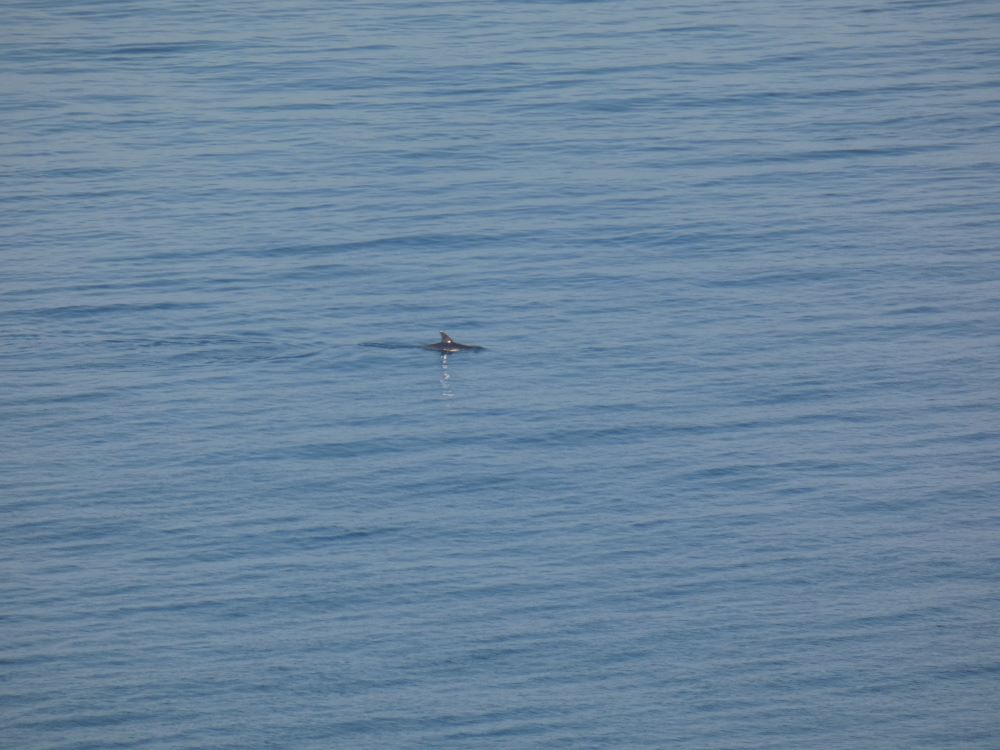 Common Dolphin Landing Bay by Thomas Weston
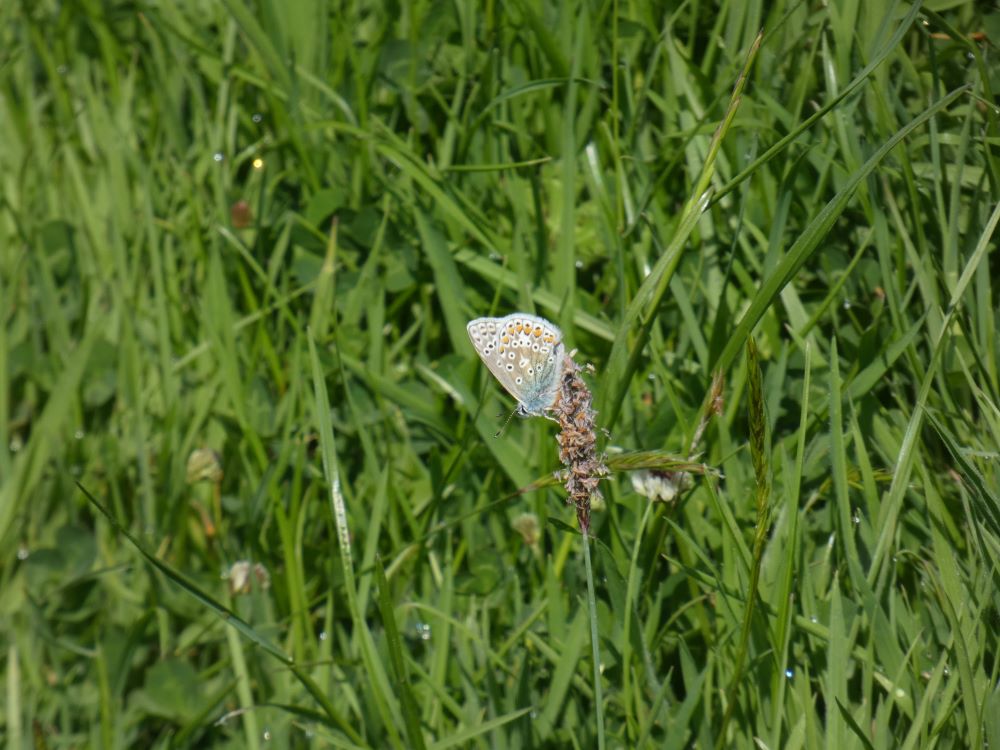 Common Blue, Brick Field. Thomas Weston
25/05/2026 – Bank Holiday #Mothsontour
By Simon Parker
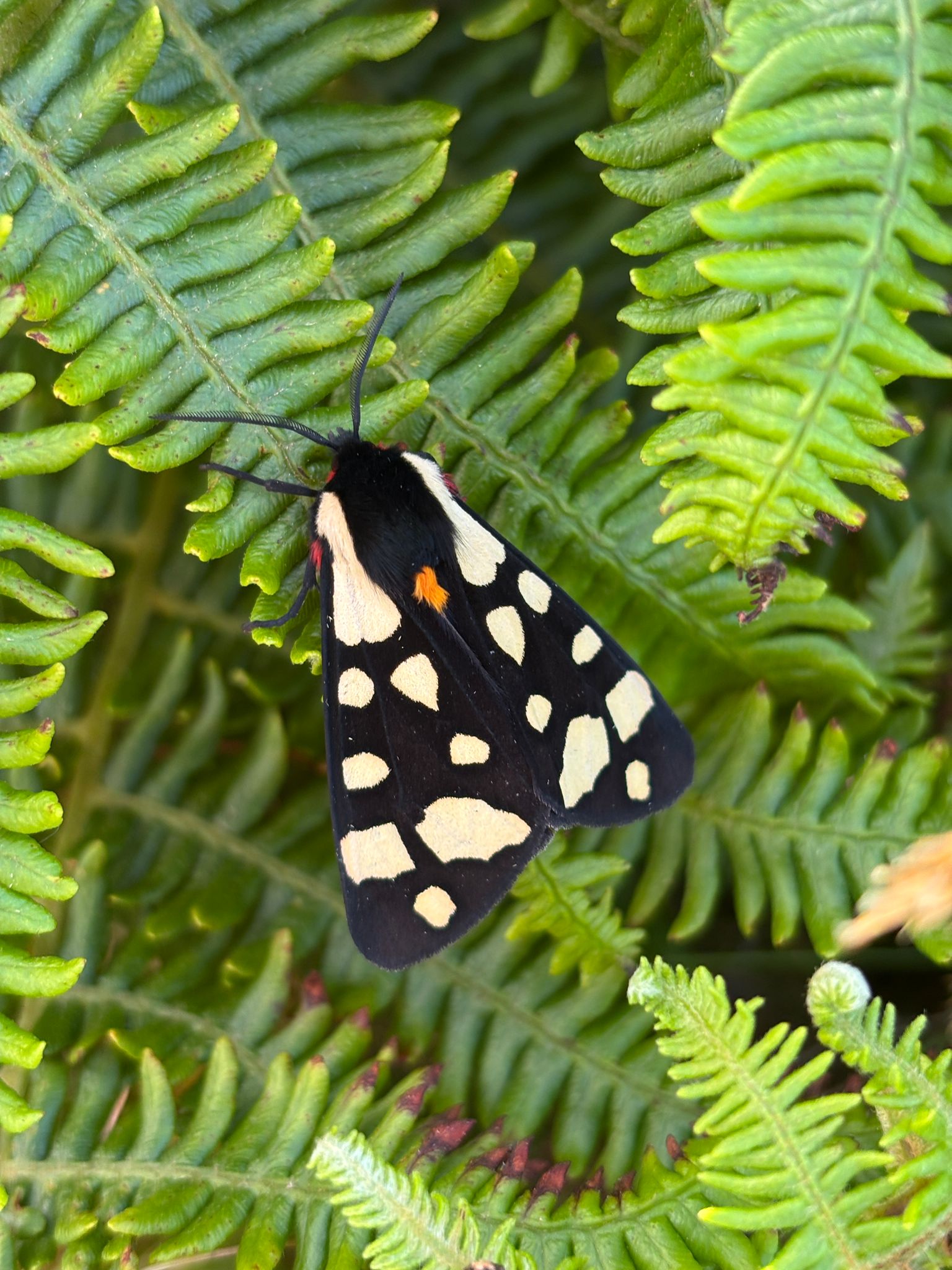
It was my turn to turn the lights on today so an early start and over to the generators to check everything is ok and ready to go. As I was up early, I'd planned meeting the team over at castles for some Moths on tour, the moth trap continues its journey to all the exotic island locations and this time we were looking for the illusive Netted Pug... No signs yet, but we did have a few new moths to add to the year list, cream of the crop was this amazing Cream-spot Tiger!
In anticipation of the Ocean Nova arriving, I then headed down to the jetty to welcome some Nature Trek tourists who were keen to get out and explore. Most of the groups were looking for the Golden Oriole but they did manage to spot the Hobby and also the Turtle Dove. Only a few trips were needed up and down the hill, my record 15 trips from the Silver Wind cruise ship is still intact. A previous work colleague happened to be acting as a guide for the group so it was nice to catch up and hear all about Lincolnshire life again, the conservation world can seem very small at times!
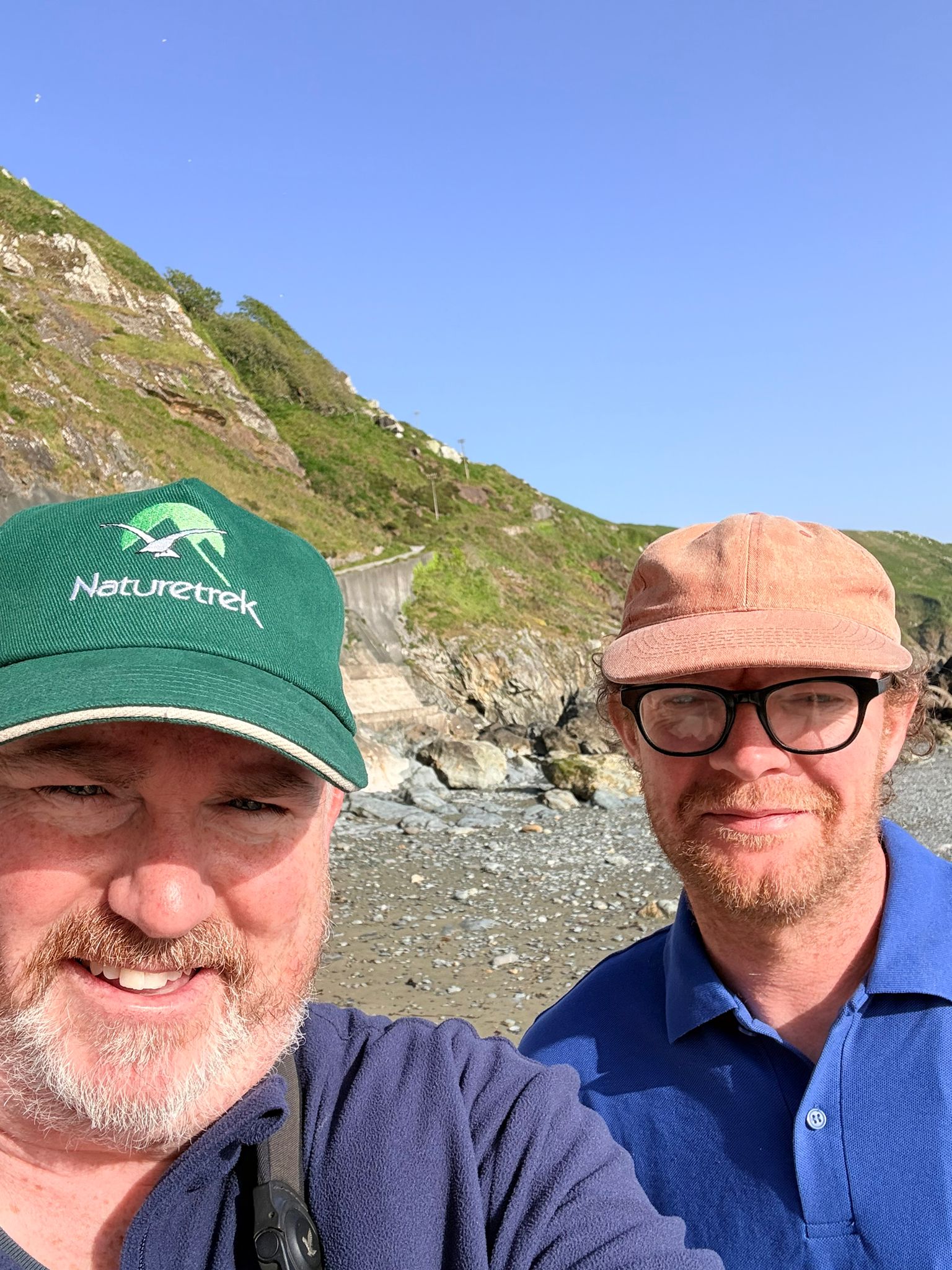 Matt and Me a long way from Lincolnshire
The afternoon was spent counting the Lundy Cabbage, our annual count was due and me, Tara, Maddie and Bee Cox from the Lundy Field Society set out in Kayaks to count the hidden cabbage along the cliffs. It was the perfect day for cruising up the East side, gentle seas and warm sunshine were in abundance and it actually felt like summer. The cliffs on the East side are a haven for our endemic Cabbage and the numbers looked pretty good, final island numbers will be gathered together later in the week.
After all that complicated mathematics it was time for a badly needed swim to round off the day, I'm actually not a fan of cold water swimming (I'm a wimp) but today was so hot it was a perfect end to the day.
24/05/2026 – Hot weather, a cold and a Golden Oriole
By Greg Lee
A very pleasant day on Lundy, with the maximum temperature creeping up to 21.4°C. Sadly, I had picked up a rather unseasonal bug, so I wasn’t in full working condition whilst trying to maintain a consistent source of hydration to fight off the worst of the illness. However, it didn’t stop me having a nose around Millcombe early in the morning where once more I connected with one of the Golden Orioles seen over the weekend, this bird giving a brief flypast at the top of Millcombe before landing in the mature trees. Commoner migrants were represented by a Spotted Flycatcher, Whitethroat, Willow Warblers, House Martins and Swallows. Thomas, who had done census during the morning also reported a Turtle Dove at the top of Millcombe, loitering with the long-staying Collared Dove. I had no such luck tracking down this, sadly, now scarce migrant to Lundy in the heat haze. Perhaps most striking though was a fascinating inversion over the sea, with a blanket of fog covering the Bristol Channel with the cliffs of North Devon still visible over the clouds. Unsurprisingly, in the heat, most of the birds were laying low, so sightings in the afternoon were limited although a Hobby seen at Old Light was a good spot of this migratory falcon.
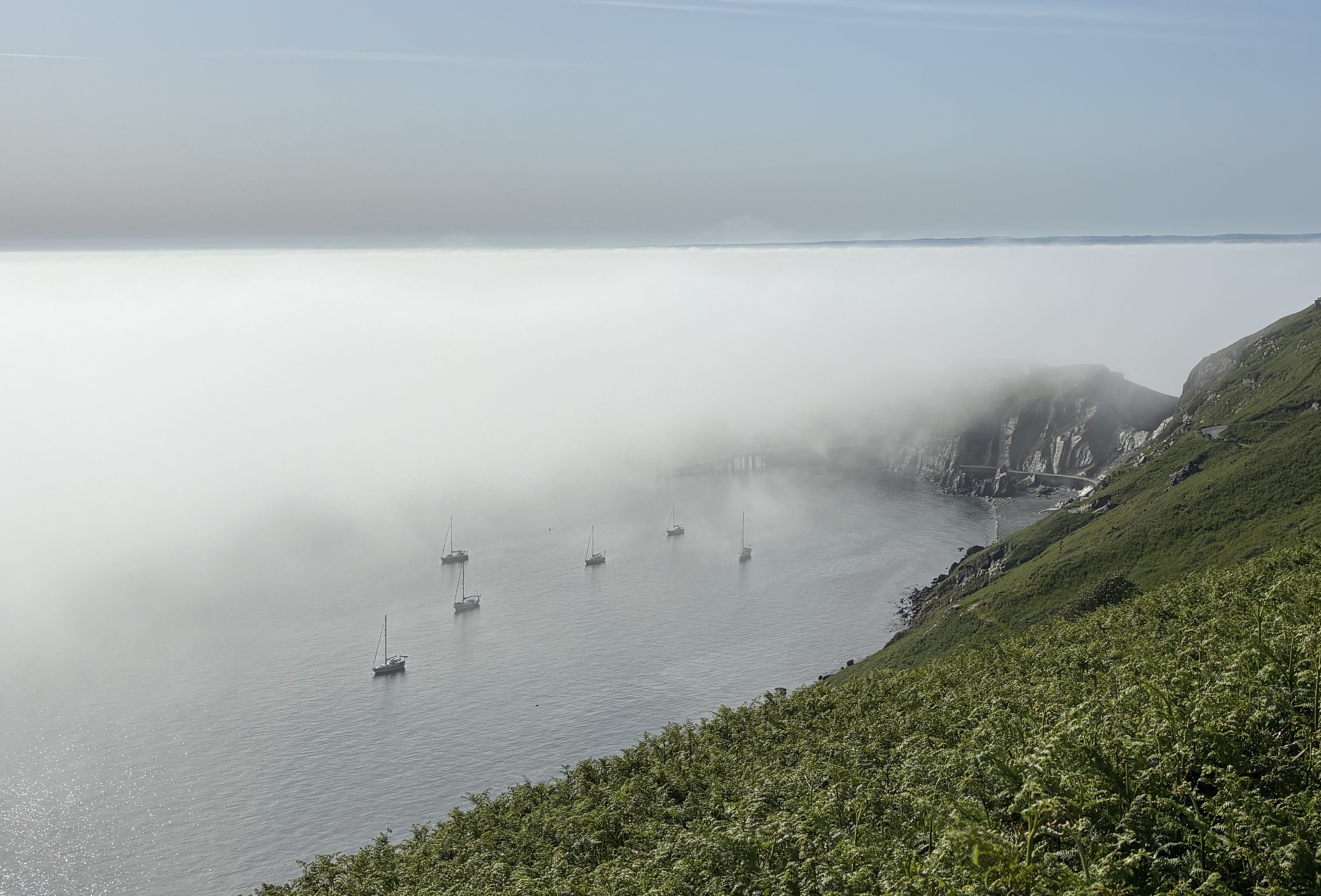 Inversion over the sea by G.Lee
In the afternoon, having seen a report of the Turtle Dove being seen flying from Barton Field, I decided to check the field itself where I was pleased to spot the Turtle Dove feeding quite happily in an exposed area of bare ground, blissfully unaware of my presence. It seems a fair few of these birds have been seen at other coastal headlands over the past week.
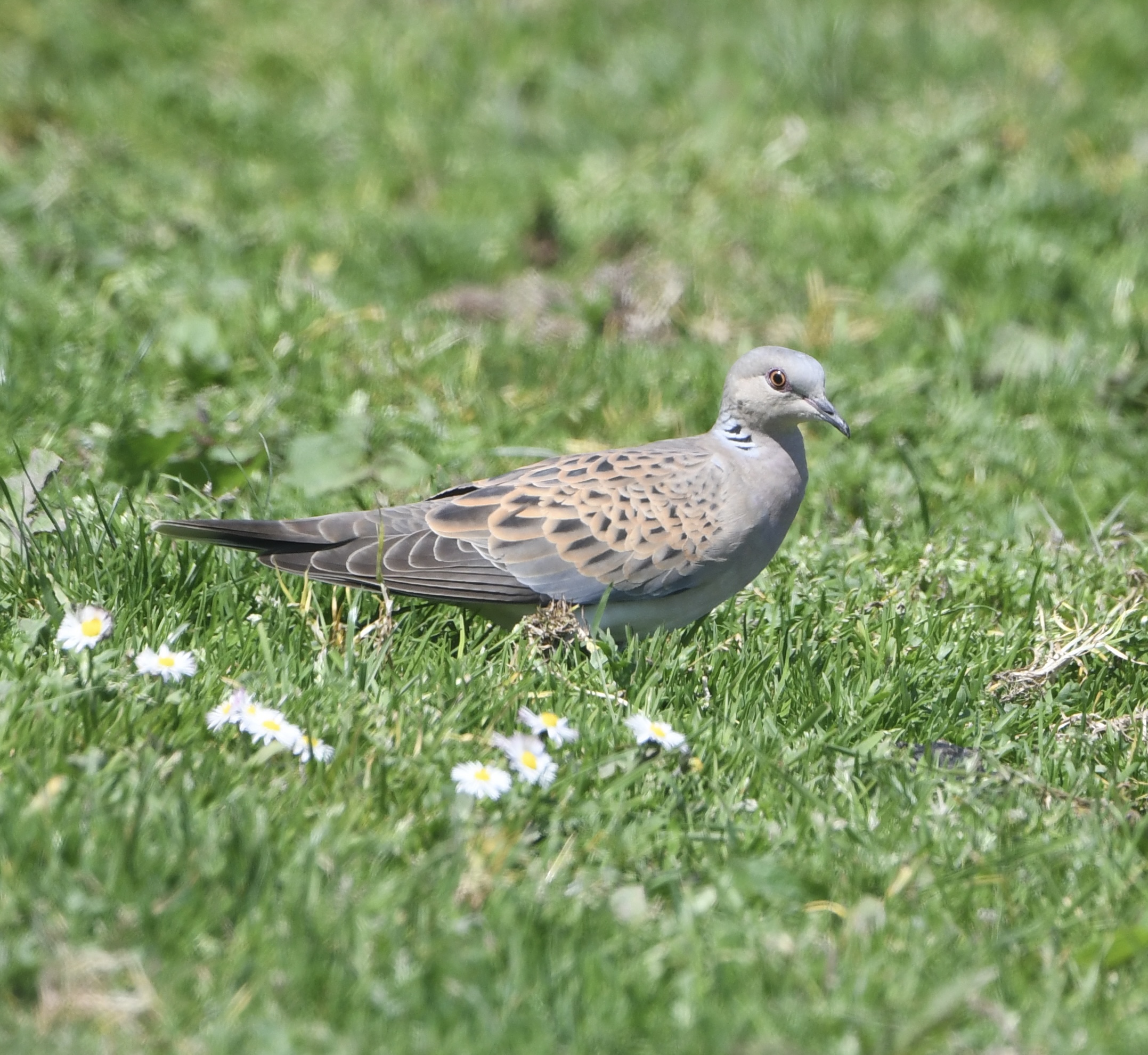 Turtle Dove by G.Lee
On the other hand, the insects were thoroughly enjoying themselves in the heat with no less than 293 Painted Ladies seen across the island, though it was likely there were many, many more. In addition, Small Heaths are starting to appear across the island, and these tiny sun-seeking butterflies of short turf can be readily seen along the coast of the island. In the cooler evening air, I decided to have a short walk over to Old Light, along with many butterflies, every footstep in the long grass seemed to kick up several Diamondback moths, which had also appeared on the warm winds. Looking over the wall near the water tanks, I then picked up a large dragonfly with a direct and powerful flight motoring towards me from across Ackland’s Moor. Immediately, I noted the green/brown colouration to the abdomen and thorax and the brown eyes along with a slight bronzy colour to the wings identifying it as a female Vagrant Emperor, which had probably arrived with all the other insect migrants on the warm winds. After a brief pause in its flight to investigate the water tanks, it then zoomed off on its way northwards as the light began to fade. A summer-plumaged Golden Plover on the Airfield was an additional bonus, seemingly enjoying the shorter turf on the runway.
23/05/2026 – Short Bird Blog
By Thomas Weston.
I was in the Tavern today, so all sightings come from other members of the Conservation Team, members of the public, and during my Tavern breaks.
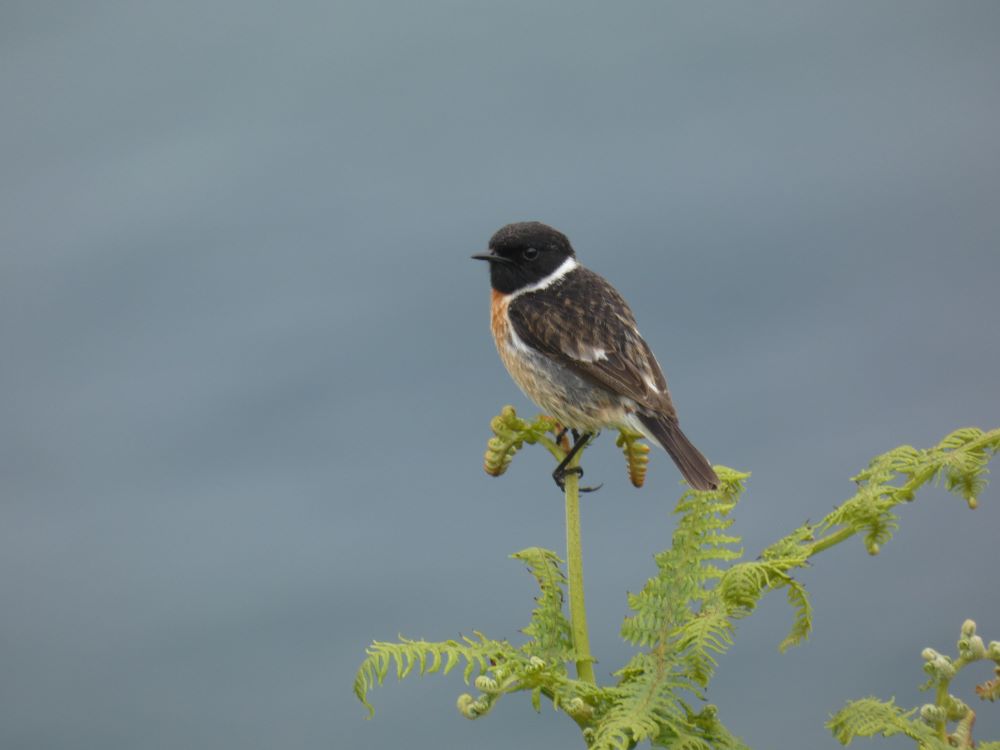 One of the species Simon saw on census, the Eurasian Stonechat. ThomasWeston
Simon undertook census this morning. He saw 8 Mallards, 6 Feral Pigeons, 8 Oystercatchers, 5 Great Black-backed Gulls, 94 Herring Gulls, 2 Lesser Black-backed Gulls, 6 Shag, 4 Carrion Crows, 2 Skylark, a single Swallow, 7 House Martins, 2 Willow Warblers, 6 Chiffchaffs, single Whitethroat, 8 Wren, 11 Starlings, single Song Thrush, 6 Blackbirds, single Spotted Flycatcher, 4 Robins, 2 Stonechats, single Wheatear, 8 House Sparrows, 5 Dunnocks, 10 Meadow Pipits, 4 Chaffinches, 37 Linnets and 7 Goldfinches.
Sightings from members of the public included amazing views of Hobby seen on the East coast between St John’s Valley and Tibbetts; 2 Golden Orioles darting between Millcombe and Quarter Wall Copse; 2 Sedge Warblers, a Tree Pipit, and a Reed Warbler on the Lower East Side Path; our pair of Channel Wagtails busy feeding and flying between Barton Field and Lower Lighthouse Field; and a Turtle Dove in St Helen’s Copse! An impressive species total today.
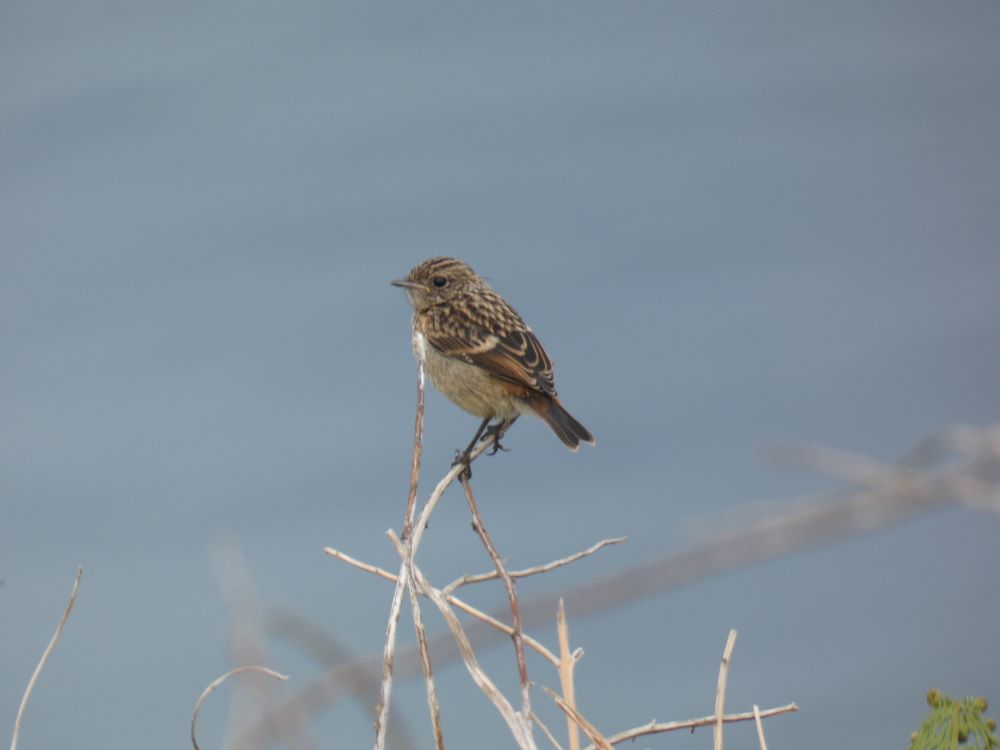 A juvenile Stonechat along the UESP. Thomas Weston
My sightings from the day included an evening walk along the Upper East Side Path. This included 3 Spotted Flycatchers, 2 fledged broods of Stonechats, singing Chaffinch, 4 Blackbirds, singing Dunnock, 4 pairs of Linnets and Meadow Pipits, 3 House Sparrows, 16 Shags, 100+ Diamondback Moths, 30+ Rush Veneer, 30+ Red Admiral and 40+ Painted Ladies.