


By Greg Lee
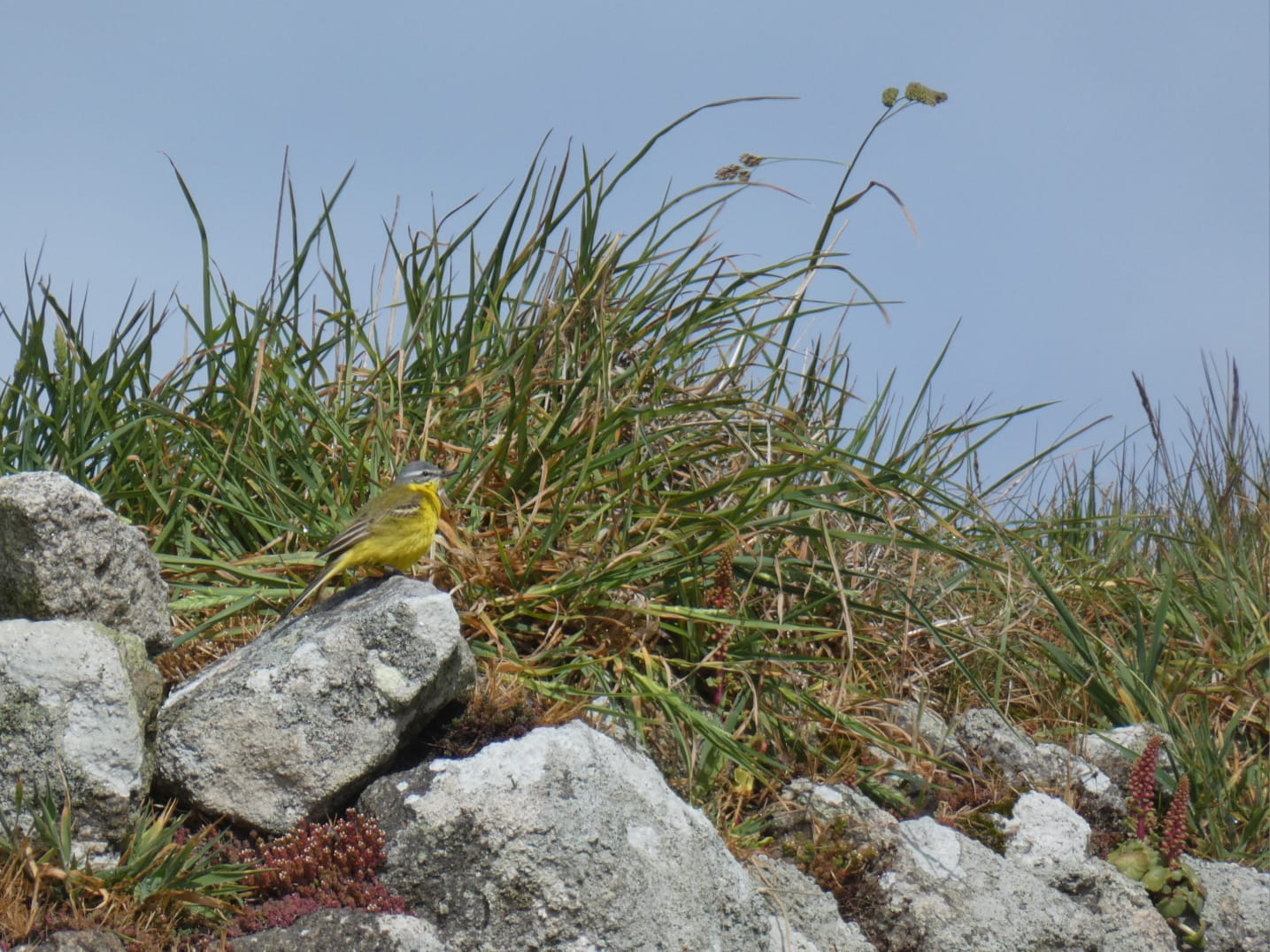
Heavy rain lashing down on our bedroom windows is never the most auspicious start to the day, but the island is definitely thankful for it. Thomas still braved census and managed a couple of late migration highlights including two Redpolls and a Sedge Warbler. Perhaps more exciting were the sightings of the first newly fledged juvenile birds, with a speckly young Blackbird chasing its rather tired looking mother around Millcombe and some very squeaky young Dunnocks sticking to the undergrowth. The male Channel Wagtail was also on his normal perch, we’ve managed to narrow down this bird to three individuals ringed in 2024 of the brood, though we are trying to nail down that last number on his ring.
With the rain still coming through in stages, a bit of office-work was done to keep up to date with census counts and descriptions of some of the interesting bird sightings we’ve collated so far this spring. Once it had passed though, Thomas and I decided to take a look at the sea from the Ugly, where a small stream of auks and Kittiwakes was noted, though nothing seemed to be moving ahead of the intermittent squalls moving up the Bristol Channel. We also checked one of the Swallow nests on the island, where, we noted that the neat cup had been lined with feathers, likely from the six Feral Pigeons currently taking up residence on the island.
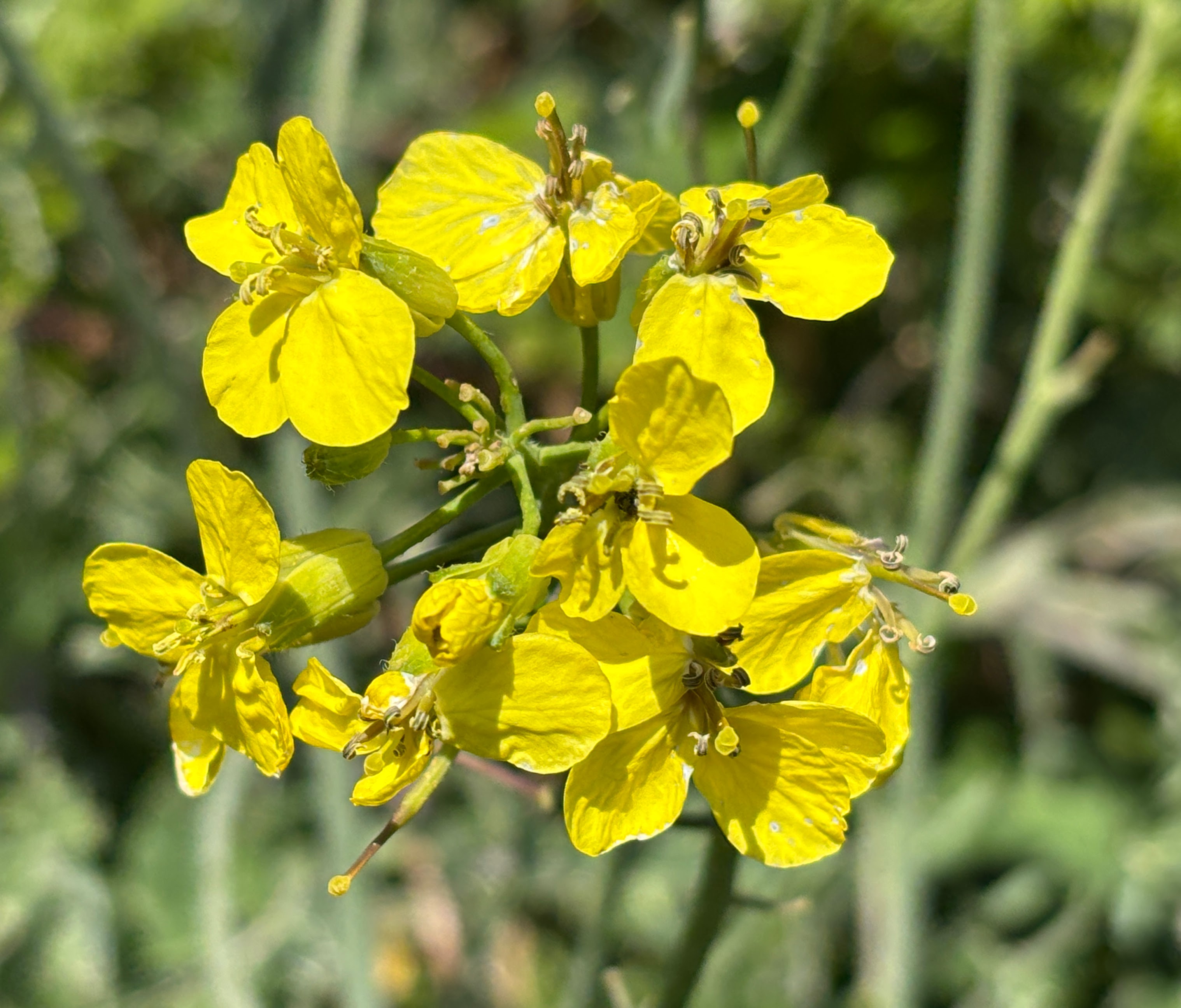 Lundy Cabbage in flower
The final act of the day was heading up to the North End to check on the seabird colonies, notably the Shags, as further up the Irish Sea, Bardsey has been reporting chicks already. Heading down the area, it felt very reminiscent of my season spent on Bardsey last year, with the steep grassy slopes bringing back the excitement of the seabird work I did there, particularly with the pastel-pink Thrift now carpeting certain areas of the cliffs and the distinctive, but not necessarily unpleasant, smell wafting from cliffs of busy seabirds. With multiple Shag nests found, we were pleased to see that some eggs had been laid but also the Gulls had also started laying as well. Over the next month or so, the team will be doing a lot of work with our cliff/colony-nesting seabirds.