


By Jessie Dermody
Although the day today started off pretty grey, it was lovely down by the water. The assistant warden team - Tara, Chloë and I had some snorkel safaris to run. They were all quite well attended, and we had some lovely crystal clear water. We always start out examining the columns of the jetty, as these act like artificial reefs and are teeming with wildlife. Some particularly charismatic residents are the Montagu's Blennies, small, territorial fish who will often pop out to try and scare you away from their patch. These fish have beautiful blue spots along their columns and a single red tuft on their heads. Two Spot Gobies are also very common around the columns of the jetty, and we saw several shoals of these tiny fish today.
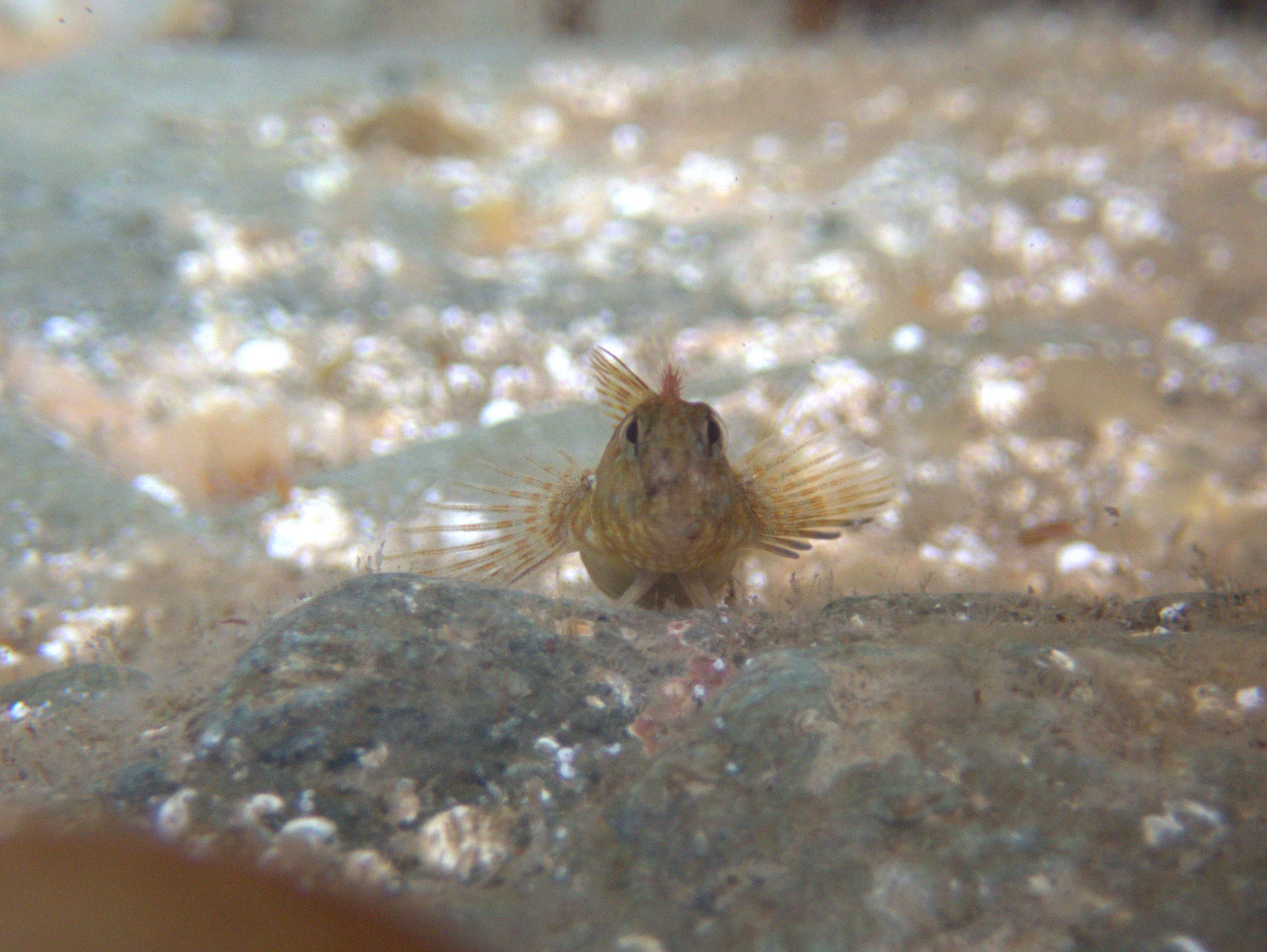 A Montagu's Blenny defending its territory in devils kitchen. By Jessie Dermody
These columns are also home to plenty of sea slugs! This is because they are covered in hydroids, bryozoans and sea squirts, which lots of sea slugs like to eat. We are now entering the sea slug section of the sightings report, so buckle up! We spotted four Facelina auriculata sea slugs on the columns today – a beautiful slug covered in pink and iridescent blue cerata. These were munching on the eggs of a Doto sp. sea slug. Nearby was a lovely Polycera capitata, and some Sea Lemon eggs! A Sea Lemon is another type of sea slug, a big slug that looks like a type of sponge.
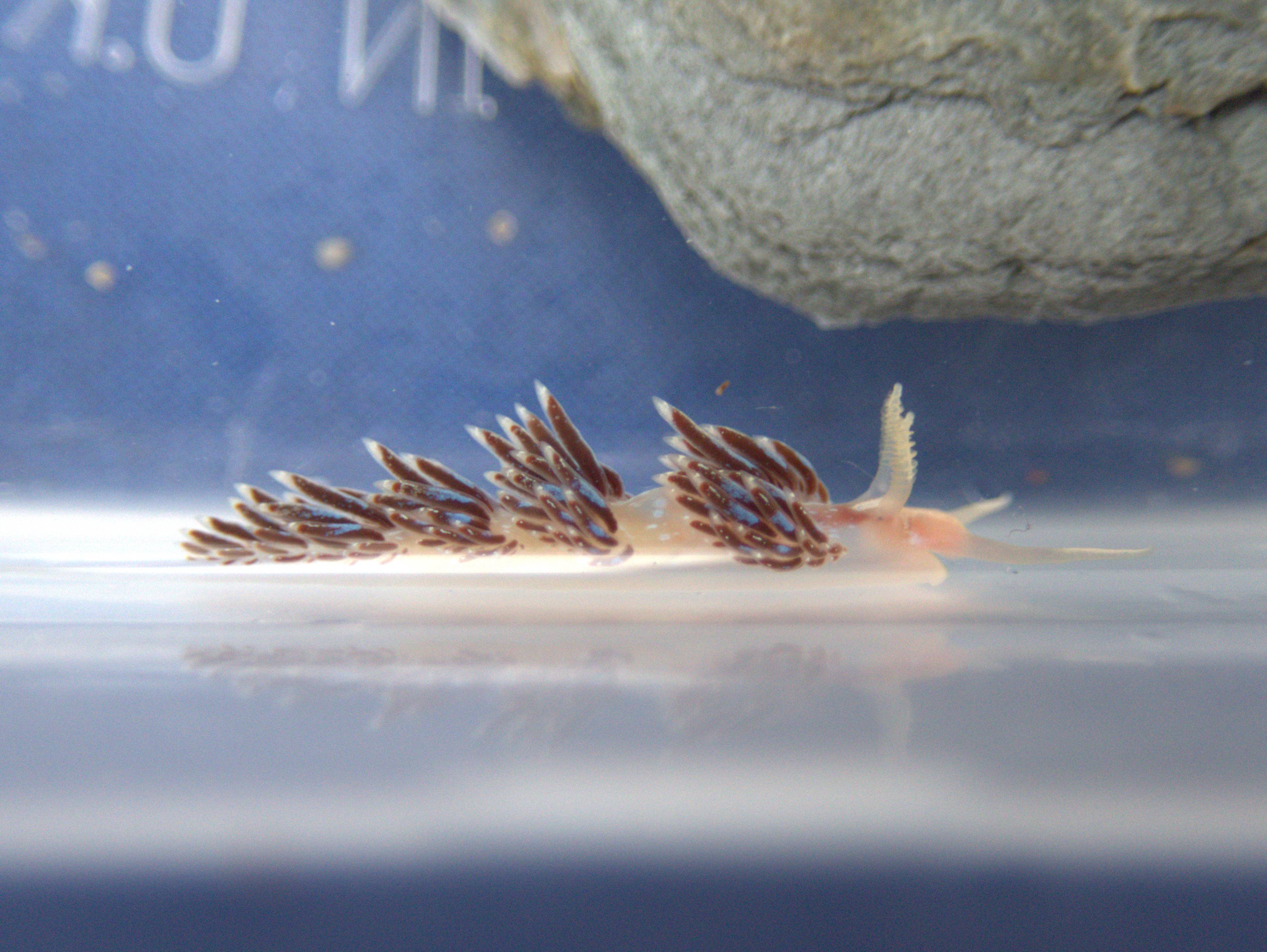 A Facelina auriculata sea slug by Jessie Dermody
Before we headed back to shore, we spotted a large Spiny Starfish crawling across the seabed beneath us. They move quite quickly as they have hundreds of tube feet beneath their bodies. As we moved over the seaweed of the rocky reefs, we saw lots of Ballan Wrasse and juvenile Pollack.
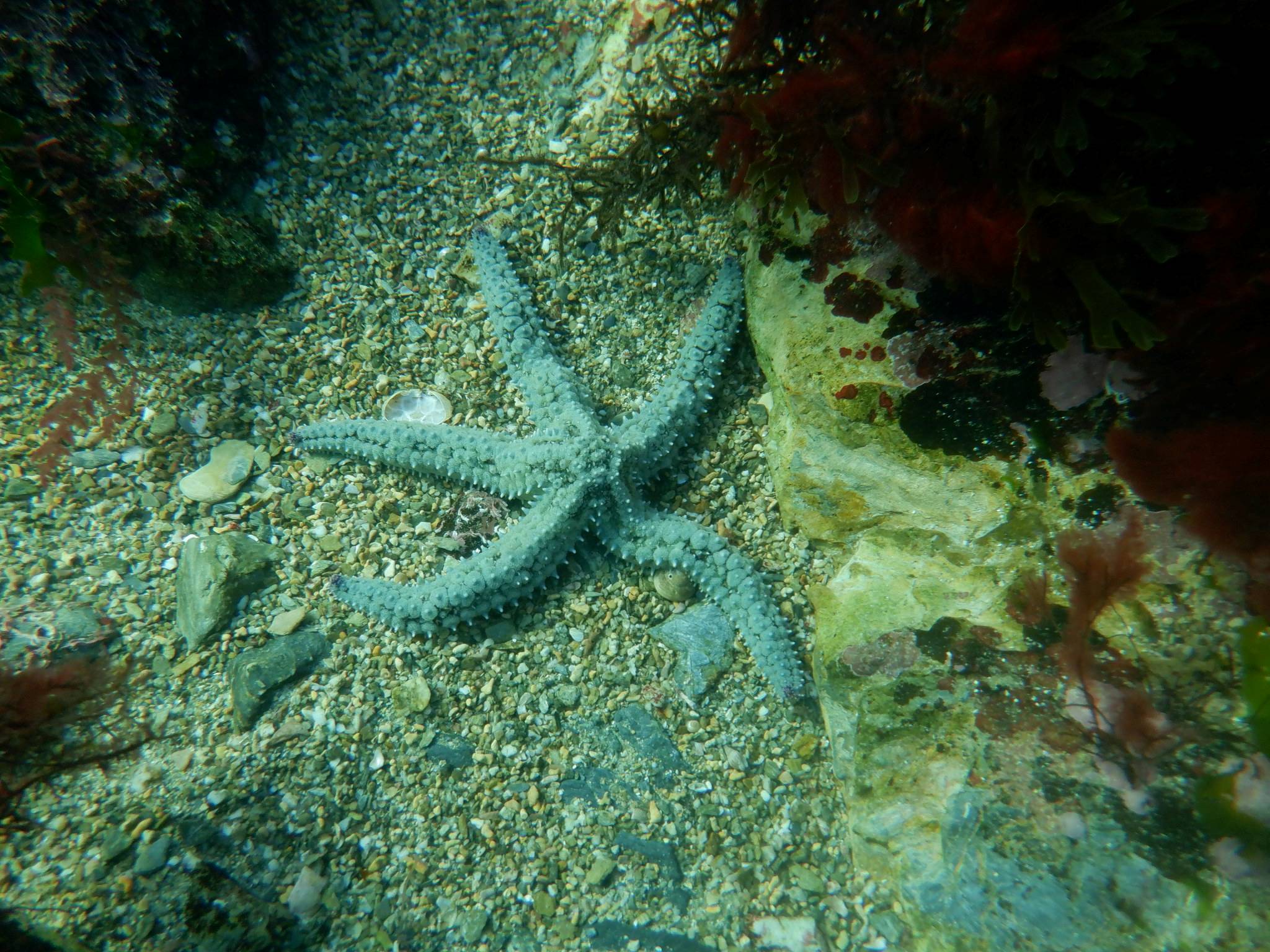 Spiny Starfish by Jessie Dermody
Once we got out of the water, we dried off and enjoyed some well deserved lunch at the tavern. After that I headed back down to the Landing Bay with the ‘rat pack’ to complete the important task of checking all the rat boxes. There are seventy of these boxes hidden around the island, and they help us ensure that the island is still rat free. Each box contains a bait made of chocolate and wax, which we need to check for teeth marks each months. If we did find any thick, rat like teeth marks, that would mean we would need to begin the process of extermination again. The island celebrated its 20th year of being 'rat free' last week, and we want to make sure it remains that way! Our ground nesting seabird colonies, like the Puffins and the Manx Shearwaters, would be put at risk if rats ever returned to the island. Thankfully, I have found no signs of rodents in the boxes this week.
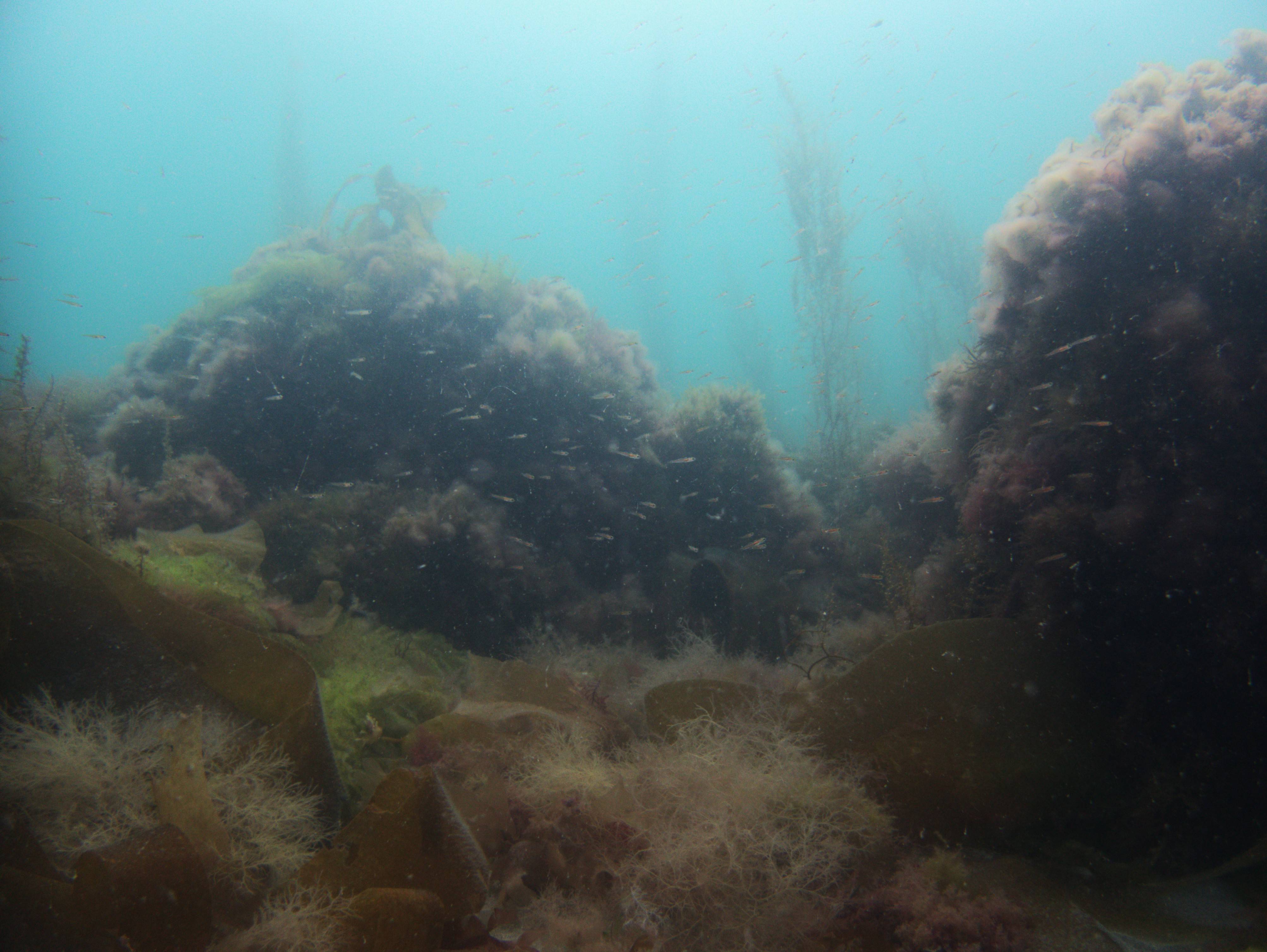 A shoal of tiny two-spot gobies within the rocky reef, By Jessie Dermody
After I’d finished rat boxing, I felt I deserved another dip in the sea! I enjoyed the feel of the water on my skin, and the reflection of the sunlight in the water. On my way back I found a lovely piece of Sea Beech growing out of a piece of kelp on the seabed. I often pick up and examine pieces of kelp that have broken away from their moorings, as this is a great way to spot sea slugs. No slugs today, but lots of sponges and parasitic sea weeds.
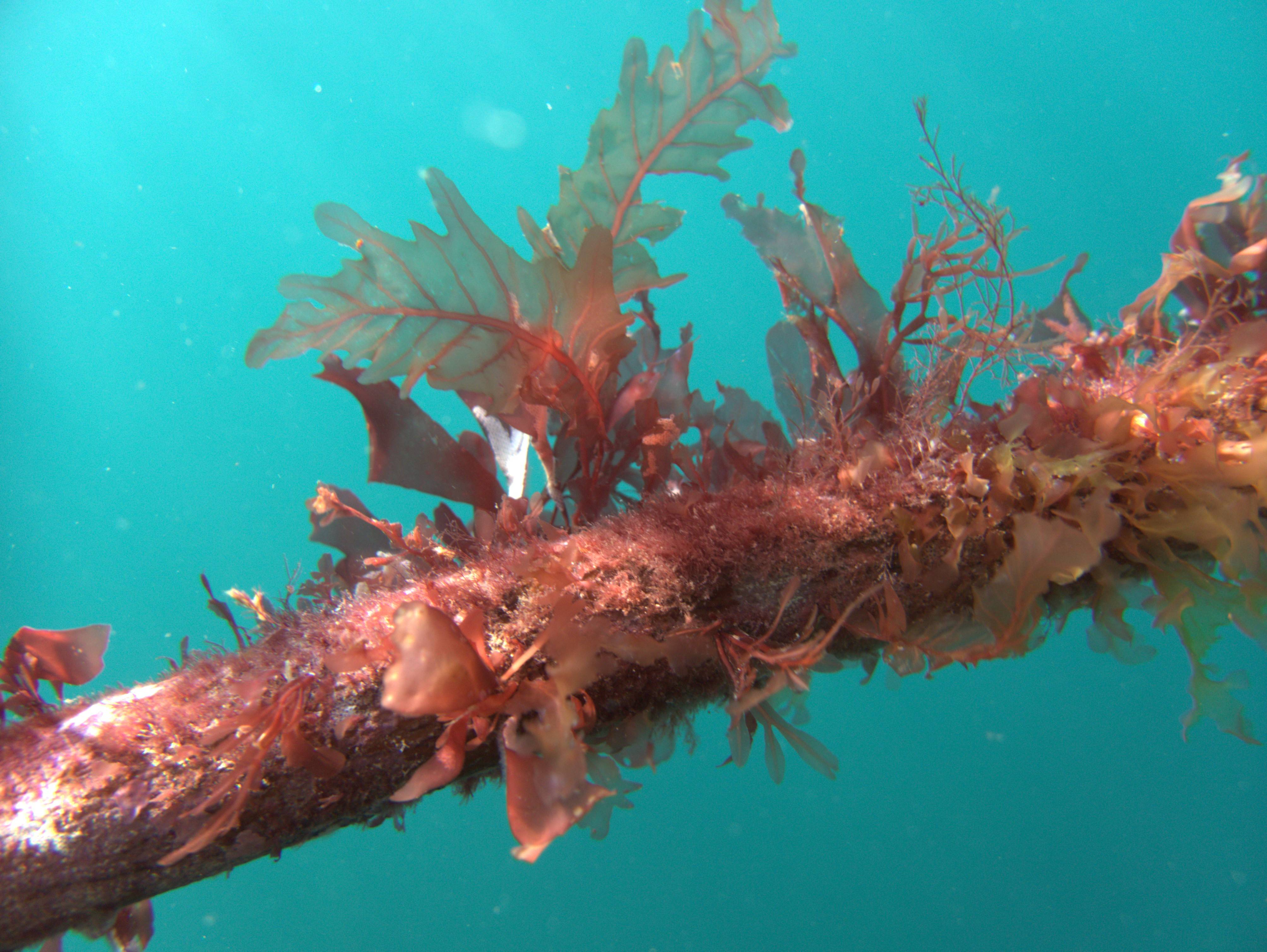 Sea Beech and other seaweeds growing out of an old piece of kelp. The Sea Beech is the longest of the seaweeds pictured here, and looks a bit like leaves. Photo by Jessie Dermody
Thanks for reading, see you next week!